Why an Irish Pub NYC Visit Is Always a Good Idea

New York has never struggled for places to drink. The city has rooftop lounges with skyline views, cocktail bars that treat ice as a religion, wine rooms lit like jewelry cases, and neighborhood dives that have somehow survived three waves of rent hikes. Even in that crowded field, the Irish pub keeps its hold. Not as a novelty, not as a tourist prop, and not only on St. Patrick’s Day. A proper Irish Pub NYC experience works on an ordinary Tuesday, after a Broadway matinee, before a Rangers game, during a rainy walk through Midtown, or at the end of a long workweek when all you want is a pint and a little human noise.
That consistency is the real story. Plenty of venues are excellent when the timing is right. An Irish pub tends to be good when life is messy, schedules slip, and your group cannot agree on anything except the need to sit down somewhere reliable. New Yorkers value that sort of dependability more than they often admit. In a city built on motion, the places that endure usually offer a mix of warmth, efficiency, and a certain emotional steadiness. Irish pubs do that better than almost anyone.
The appeal starts before the first sip
Step into a strong Irish pub and you usually feel the difference within a few seconds. The lighting is forgiving. The room has texture. Wood matters. Brass matters. So does the wear on the bar top, the shape of the stools, the framed mirrors, the old signs, and the fact that everything looks made to be touched rather than merely photographed.
That physical environment is not accidental. Good public houses were designed around comfort and lingering. You can see the logic even in New York versions that occupy narrow footprints or busy corners. The room invites conversation without demanding performance. You do not need to dress for the room, pose for the room, or decode a drinks menu written like a graduate thesis. You can arrive alone with a book, with a date, with coworkers, with family visiting from out of town, or with a group of eight that ballooned to twelve. The place can absorb all of that.
This is one reason an Irish Pub NYC visit feels useful, almost practical, in addition to enjoyable. It solves social problems. Some bars are fantastic for two people and impossible for ten. Others work for late-night revelry but feel dead at 6:30 p.m. A good Irish pub covers more situations than almost any other format. That versatility is worth a lot in a city where plans change by the hour.
Hospitality is the real product
People often talk about Guinness quality, whiskey selection, or shepherd’s pie, and those things matter. But the lasting appeal usually comes down to hospitality. Irish pubs at their best understand that service is not only about speed. It is about reading a room. It is about knowing when a table wants another round without being pushed, when a solo guest wants a quiet corner, and when a group needs a gentle nudge because two people are still standing in the aisle debating fries.
The difference is easy to spot if you spend enough time in bars. Some venues are efficient but cold. Some are friendly but chaotic. The best Irish pubs hit a rare middle ground. Bartenders move quickly and remember orders. Servers check in without hovering. There is often a sense that regulars matter, but newcomers are not treated like outsiders. That balance is harder to create than it looks.
I have seen this play out in every kind of company. The after-work crowd loosens up faster. Parents with college-age kids relax because the setting feels familiar. Travelers who are tired of overproduced experiences can finally exhale. Even people who claim they are not “pub people” tend to settle in once a plate lands and a pint appears. Hospitality has a way of converting skeptics.
It is one of the few categories that still welcomes everyone
Many nightlife spaces narrow their audience, either by design or by price. There is nothing inherently wrong with specialization, but it leaves a gap. Cities need places https://medium.com/@hiberniabar1/about where a 28-year-old finance analyst, a retired teacher from Queens, a pair of tourists from Cork, and a stage manager from Hell’s Kitchen can share the same room without the atmosphere feeling forced.
Irish pubs are unusually good at this. Age diversity is common. So is a mix of occupations and incomes. On a given evening, one table may be ordering oysters and top-shelf whiskey while another shares onion rings and two beers. Neither feels out of place. That range matters because it mirrors the city itself. New York is best when different kinds of people occupy the same spaces comfortably.
The economics help too. While there are upscale Irish bars with polished dining rooms and ambitious beverage programs, the category generally still offers value. You can often get a solid draft, a satisfying meal, and enough time at your table to actually enjoy both, without feeling rushed toward a spending target. In Manhattan especially, that can feel almost radical.
Food is not an afterthought
A mediocre bar can survive on drinks alone. A great pub usually cannot. The food carries more weight than outsiders assume, particularly in New York, where diners have high standards and short patience.
The menu in a strong Irish pub does not need to be sprawling. In fact, a tighter menu often performs better. What matters is execution and range. A pub should know how to deliver the classics, of course: fish and chips with crisp batter, shepherd’s pie that arrives properly hot, bangers and mash that comfort rather than sit heavily, and a burger that can compete with the city’s many burger options. It should also understand that not every guest wants a traditional plate. Good salads, a competent roast chicken, fresh seafood if the house can support it, and vegetarian dishes that are more than token gestures go a long way.
There is also something to be said for food that suits the room. In an Irish pub, dishes are at their best when they encourage a second round and longer conversation. Stews, pot pies, soda bread, mussels, smoked salmon, and deeply savory snacks do that. They fit the pace. They keep people seated. They turn a quick drink into an evening.
One of the quiet strengths of an Irish Pub NYC outing is that it can satisfy a mixed group without becoming generic. You can have the person who wants a full dinner, the friend who insists on fries and a pint, and the relative who asks whether there is soup, all leaving content. That sounds simple until you try organizing dinner in Manhattan for six people with six preferences.
The pint still matters, and so does the way it is poured
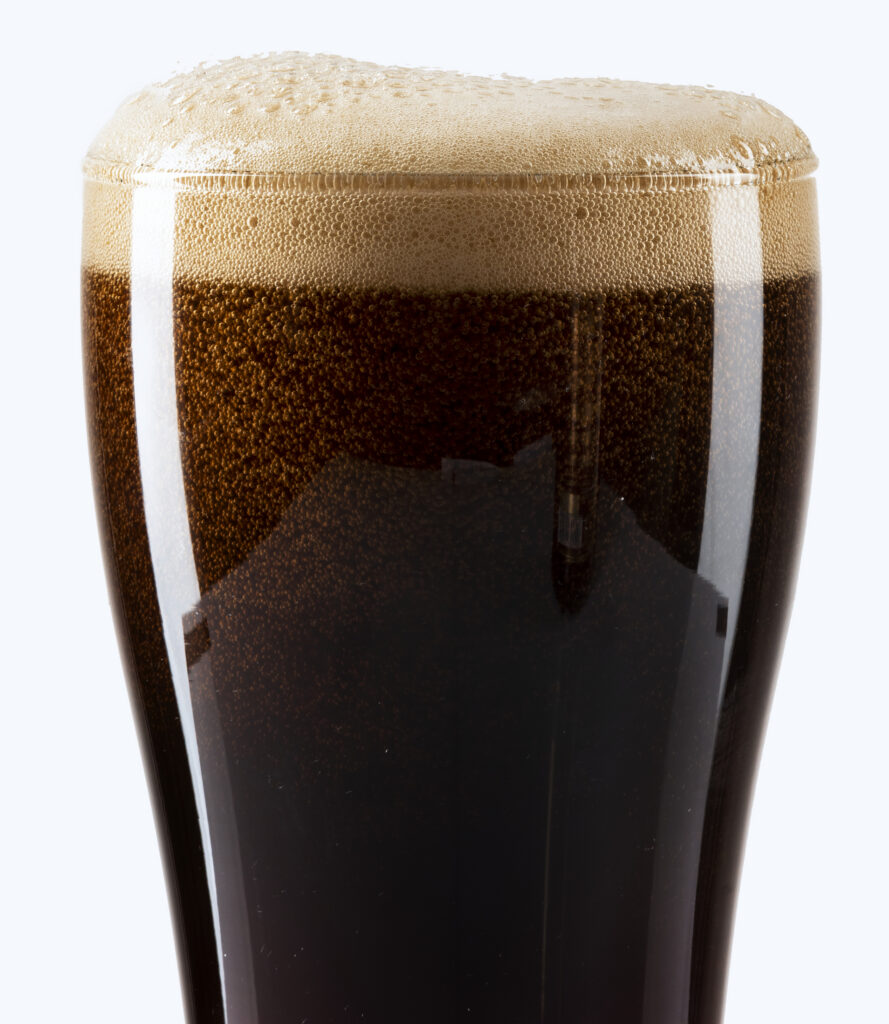
There is no reason to pretend every drink experience is equal. A well-kept pint of stout in a pub that takes pride in draft quality is one of the small pleasures that justifies leaving home. The same goes for ale, lager, cider, and whiskey served by people who understand what they are pouring.
The romance around Guinness can become a little overdone, but quality control is real. Clean lines, fresh kegs, correct glassware, and patient pours make a difference you can taste. So does turnover. Busy pubs often keep beer in better shape simply because it moves. If a place is known for its stout, you can usually trust the crowd to keep the system lively.
That said, the best Irish pubs are not stuck in amber. Many now offer thoughtful local drafts, better nonalcoholic options, and whiskey lists that go beyond familiar labels without becoming absurdly expensive. That flexibility helps them stay relevant. Not everyone wants a pint, and not every whiskey drinker wants a rare bottle. A smart pub gives guests a spectrum of choices while preserving the core identity of the room.
They are ideal for New York’s awkward in-between hours
One of the hardest things in this city is deciding where to go when the plan is vague. Not dinner exactly. Not just drinks. Maybe a place to regroup before another event. Maybe somewhere to wait out bad weather. Maybe a stop between shopping downtown and a train home. Many venues struggle in those in-between hours. They are either too empty to feel comfortable or too geared toward a late-night crowd to function well at 4:30 p.m.
Irish pubs thrive there. They are built for overlap. Lunch can slide into afternoon pints. Early dinner can blend into the pre-theater crowd. A solo visitor at the bar does not look stranded, and a family with kids having an early meal does not look like they took a wrong turn. That all-day elasticity is one of the category’s great strengths.
In practical terms, this makes an Irish pub the answer to a surprising number of New York questions. Meeting a friend whose train is delayed? Pub. Need somewhere forgiving near a major transit hub? Pub. Trying to feed out-of-town relatives before a show without gambling on a trendy restaurant that will not seat you on time? Pub again.
The city’s Irish pub tradition is deeper than a theme
There are bars that decorate themselves with shamrocks and call it a day. Then there are places connected to a genuine lineage of immigrant life, neighborhood habit, labor history, and social gathering. New York’s Irish pub culture did not appear as a marketing invention. It grew out of communities, churches, unions, municipal workforces, family businesses, and the ordinary need for a public room where people could talk, argue, celebrate, and mourn.
That history still lingers, even as the city changes. In some pubs you hear it in the accents at the bar. In others you see it in old photographs, sports affiliations, parish event posters, or the way generations of the same family seem to know the staff. Even newer establishments often borrow from that deeper tradition in meaningful ways, not because it is fashionable, but because the pub format works when it carries memory.
For visitors, this gives an Irish Pub NYC experience a sense of place that many generic bars lack. You are not just drinking in a city. You are drinking in a style of room that has helped define parts of the city for well over a century. That does not mean every pub must feel antique. It means the best ones understand they are stewards of something bigger than a menu.
Sports watch better in a pub than almost anywhere else
There are sports bars with bigger screens and louder sound systems. There are places with more wings specials and more obvious branding. Yet for many games, especially soccer, rugby, Gaelic games, and even major New York matchups, the pub remains the superior setting.
Part of that comes down to proportion. In a pub, the television is important but not tyrannical. You can watch closely, then turn back to your table and continue a conversation without feeling trapped in a sensory assault. The room can be spirited without becoming unbearable. When a match really matters, that restraint makes the crowd energy feel more genuine. Celebrations build from the people rather than being imposed by the venue.
This is especially true during early morning football broadcasts and tournament play. Pubs have a talent for making unusual hours feel convivial. Coffee appears. Breakfast may or may not be involved. Scarves emerge. By 10 a.m. The room already has a rhythm. Few other venues can make that feel natural.
They work for celebrations without demanding a production
A birthday dinner at a sleek restaurant can become a logistical project. A rooftop outing depends on weather, reservations, and whether half the group can hear the other half. A club requires commitment that many people discover too late they never wanted.
A pub celebration is often better because it asks less from everyone. You can reserve a back room or simply claim a few tables. People can arrive in waves. Some order dinner, some just drinks, and no one feels they violated the event by keeping it simple. This low-pressure format suits adult life, especially in New York, where free evenings are scarce and friends are scattered across boroughs.
The same logic applies to less festive gatherings. I have seen Irish pubs handle post-funeral meals, retirement toasts, farewell drinks, first dates, and team debriefs with equal grace. There are not many spaces in a city that can carry joy and seriousness without needing to transform themselves. The pub can, because it was always meant to hold ordinary life in full.
There are trade-offs, and they are worth knowing
Not every Irish pub is great, and not every night suits the genre. Some places lean too hard on stereotypes and neglect quality. Others become tourist-heavy in ways that flatten the atmosphere. Around major holidays, particularly St. Patrick’s season, even excellent pubs can become so crowded that the charm gives way to pure endurance.
Noise is another variable. A lively pub can quickly become a difficult room for anyone with hearing sensitivity or for groups hoping to have a delicate conversation. Seating can also be unpredictable, especially near Midtown theaters, transit centers, and sports venues. If your group needs guaranteed quiet, elaborate dietary accommodations, or a highly choreographed dining experience, a pub may not be the perfect choice that night.
Still, these are manageable trade-offs. Most can be addressed by timing and venue selection. A pub at 5:30 p.m. Feels very different from the same pub at 10:00 p.m. A neighborhood spot in the West Village or on the Upper East Side may offer a more local feel than a heavily trafficked address near Times Square. Judgment matters, and New Yorkers get good at reading these distinctions.
What separates a good one from a forgettable one
If you spend enough evenings in pubs, patterns emerge. The memorable places are rarely the flashiest. They are the ones that get the fundamentals right and keep getting them right. A few signs tend to tell you what kind of night you are about to have:
- The room feels lived in, not staged, and people seem comfortable occupying it.
- The staff acknowledge you promptly, even if they are busy.
- The draft beer tastes fresh and the glassware is clean.
- The menu has enough breadth to suit a mixed group, but not so much that quality becomes doubtful.
- The crowd includes at least a few people who clearly come back often.
These are not luxury markers. They are trust markers. Once a pub earns that trust, it can become part of your routine with surprising speed.
Why it never really goes out of style
Trends in hospitality tend to swing between spectacle and minimalism. One year every room is maximalist and moody, the next year it is all pale wood and tiny pours. Through all of that, the Irish pub persists because it offers something trend-proof: usefulness with soul.
That phrase may sound romantic, but it is really about function. A pub lets people gather with minimal friction. It offers food that satisfies, drinks that anchor the evening, and an atmosphere that flatters ordinary social life. There is enough ritual to make the outing feel special, and enough informality to make it easy. Very few places in New York balance those qualities so well.
There is also the matter of emotional memory. Many people carry some version of the pub in their lives, whether through family roots, travel, college years, neighborhood habits, or simply repeated good nights out. The category taps into familiarity without requiring nostalgia. You do not need to know anything about Ireland to appreciate a room that welcomes you, feeds you properly, and gives your evening shape.
A smart choice for visitors, and an even smarter one for locals
Tourists often seek out Irish pubs because they feel accessible. That instinct is sound. In a city that can be overwhelming, a pub offers a softer landing than many trend-driven spots. Menus are readable. Service tends to be direct. Solo travelers feel less conspicuous. Groups with a wide age range can usually agree on it. For a first night in New York, that ease is invaluable.
Locals, though, may benefit even more. The city can make socializing feel like project management. Reservation apps, cancellation policies, crowded subway transfers, and inflated expectations all take their toll. The pub cuts through that. It says: come as you are, bring who you have, stay as long as makes sense. For busy professionals, neighborhood regulars, and anyone tired of bars built mainly for social media, that promise still lands.
If you think about the places people return to year after year, they are rarely the ones that dazzled once. They are the ones that delivered reliably across many moods and occasions. That is where the Irish pub excels. It may give you a celebratory night with raised glasses and live music. It may just as easily give you a quiet stool, a bowl of stew, and forty minutes of peace before catching the train. Both experiences count.
And that is why an Irish Pub NYC visit is always a good idea. Not because every pub is magical, and not because every evening needs a pint. It is because this kind of place still does something New York desperately needs. It makes room for people, for appetite, for conversation, and for the simple pleasure of being looked after well. In a city that asks a lot from everyone, that is more than enough reason to walk in.
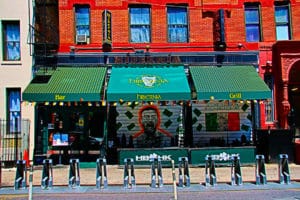
Hibernia Bar
401 W 50th St
New York, NY 10019, United States
Phone: +1 212-969-9703
FAQ About Irish Pub NYC
What is the best Irish pub in NYC?
The best choice depends on your location and preferred atmosphere. Hibernia Bar is a neighborhood Irish pub in Hell's Kitchen offering Guinness, Irish whiskey, pub food, and sports viewing.
Where do Irish people go in NYC?
New York's Irish community gathers in many neighborhoods and venues. Hibernia Bar welcomes Irish expats, local residents, and visitors at 401 W 50th St, just off Ninth Avenue.
Where can I watch GAA games in New York?
Hibernia Bar lists GAA among the sports it shows. Call +1 212-969-9703 to confirm coverage and opening times for a particular match before visiting.
What is the difference between a bar and a sports bar?
A sports bar emphasizes televised games and a shared viewing atmosphere. Hibernia combines sports viewing with the food, drinks, and hospitality of a neighborhood Irish pub.