Jamaican Food Staples Every Kitchen Should Have
A well-stocked Jamaican pantry does not need to be large, but it does need to be intentional. The heart of Jamaican food lives in a handful of ingredients that pull serious weight. They carry heat, sweetness, smoke, color, earthiness, and the kind of depth that makes even a simple pot of rice and peas taste like it took all day. Once those staples are in your kitchen, cooking Jamaican dishes stops feeling like a special project and starts becoming second nature.
People often focus first on the headline dishes, jerk chicken, curry goat, ackee and saltfish, escovitch fish, brown stew chicken. Those meals matter, of course, but what really shapes them are the pantry and produce choices underneath. The flavor of Jamaican cooking is not built by one miracle ingredient. It comes from layers. A little allspice, some thyme, scallion, scotch bonnet, a spoonful of browning, coconut milk in the right place, and suddenly a weeknight dinner tastes grounded and complete.
I have seen many home cooks make the same mistake when they first try Jamaican recipes. They buy one or two iconic ingredients and assume that will carry the dish. It rarely does. Jerk seasoning without thyme tastes flat. Rice and peas without coconut milk loses its character. Curry powder without pimento and fresh aromatics can taste generic. Jamaican food is generous, but it is exacting about balance.
If you want your kitchen ready for proper Jamaican cooking, these are the staples worth keeping on hand.
The fresh backbone: scallion, thyme, onion, garlic, and scotch bonnet
If there is a single lesson to learn early, it is this: Jamaican cooking begins with fresh seasoning. Even before you reach for dry spices, you need a reliable base of scallion, thyme, onion, and garlic. Add scotch bonnet when you want heat and fragrance, and you have the starting point for an enormous share of the cuisine.
Scallion does more than provide a mild onion note. It gives brightness and a grassy sharpness that white or yellow onion alone cannot mimic. In many Jamaican kitchens, scallion goes into green seasoning, marinades, soups, stews, patties, and rice dishes almost by reflex. Use both the white and green parts. If your scallions are especially thick and mature, split the bulb end before chopping so the flavor distributes more evenly.
Thyme is equally important, and dried thyme is useful, but fresh thyme gives better perfume and structure. Jamaican cooking often lets thyme simmer whole, stem and all, in soups, peas, and stews. That slow infusion matters. If you only sprinkle in dried thyme at the end, the result tastes thinner. Fresh thyme keeps well if wrapped loosely and refrigerated, and it earns its space quickly.
Onion and garlic are familiar to most cooks, but in Jamaican food they are not background players. They form the savory bed for curry, stew, and fried dishes, especially when cooked down slowly before the main ingredients go in. Red onion appears often in escovitch and pickled preparations because it holds shape and brings a little bite.
Then there is scotch bonnet, one of the most misunderstood ingredients in Jamaican food. Many people think it exists only to make a dish painfully hot. In reality, it is there for aroma as much as heat. A whole scotch bonnet dropped into a simmering pot can perfume the food without making it overwhelming. Chopped or blended, it becomes much more assertive. That difference matters. If you are cooking for mixed spice tolerance, start with a whole pepper and remove it before serving. If the pepper bursts, the dish will get hotter, so keep an eye on it.
These five ingredients are not glamorous, but they are non-negotiable. With them, you can season chicken for stew, build a curry base, prepare a proper marinade, or rescue a pot of beans that tastes underdeveloped.
Allspice, the quiet signature
If I had to name one dry spice that gives Jamaican food its unmistakable identity, I would choose allspice, called pimento in Jamaica. It is warm, peppery, slightly sweet, and faintly woody. It tastes familiar even to people who cannot name it. That is because it sits at the center of so many classic dishes.
Whole allspice berries are especially useful. They can go into soups, rice and peas, pickling liquid, and braising pots without muddying the texture. Ground allspice is better for rubs, patties, and seasoning blends. If you keep only the pre-ground version, buy it in small amounts because it loses punch faster than whole berries.
This is one of those ingredients where quality shows. Fresh allspice smells lively and almost resinous. Stale allspice smells dusty and sweet in a vague way. In jerk cooking, it is indispensable. In brown stew, it deepens the sauce. In sorrel drink around the holidays, it helps build that festive spice profile along with ginger and cloves.
A practical note from experience: allspice can take over a dish if used carelessly. It should support, not dominate. In a medium pot of stew, a few berries or a modest pinch of ground allspice usually does the job. Heavy-handed seasoning can make the food taste medicinal.
Jamaican curry powder is not interchangeable
Many kitchens have curry powder, but Jamaican curry powder deserves its own place on the shelf. It is usually earthier and more aromatic than standard supermarket blends, often leaning on turmeric, coriander, fenugreek, cumin, and allspice in proportions that suit the island’s cooking style. The flavor profile is different enough that substituting another blend can noticeably change the final dish.
Just as important is how it is used. Jamaican cooks often “burn” or bloom the curry in oil at the beginning of cooking. This step wakes up the spice, removes any raw taste, and gives curry dishes their deeper color. If you skip that step and stir the curry powder into liquid later, the dish can taste powdery and unfinished.
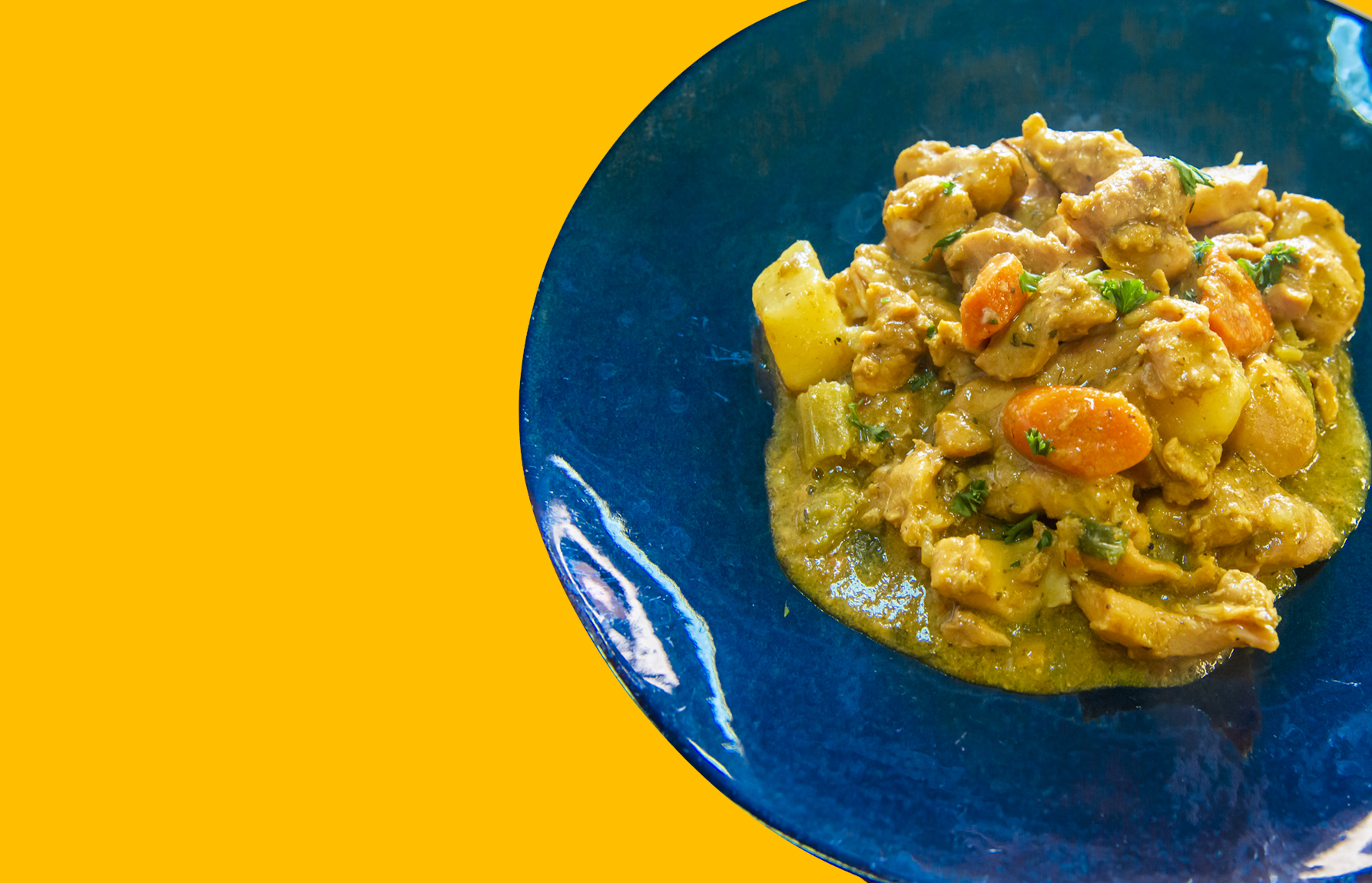
Curry goat is the famous example, but curry chicken, curry shrimp, and curried vegetables all benefit from the same treatment. Potatoes are especially good with Jamaican curry because they absorb the spice and thicken the sauce naturally. Add thyme, scallion, garlic, onion, and a touch of scotch bonnet, and the curry becomes https://maps.app.goo.gl/37JZ7dpqaHRz7t9A9 distinctly Jamaican rather than generically spiced.
It is worth keeping in mind that curry powder strength varies by brand. Some are mild and mellow, others far more pungent. The first time you use a new tin, go a little lighter than instinct suggests and adjust on the next round.
Browning sauce and the color of a proper stew
One pantry bottle that surprises new cooks is browning sauce. At first glance it seems cosmetic, a way to make food darker for appearance. In fact, it contributes both color and a subtle bittersweet note that is central to dishes like brown stew chicken and some pot roasts.
Browning works best in moderation. A small amount can make gravy look rich and taste more rounded. Too much can introduce a burnt edge that is hard to fix. I have had to rescue more than one stew by adding a little sugar, extra stock, and more onion after someone poured browning as if it were soy sauce. It is strong. Treat it with respect.
There is also a practical distinction between browning and actual caramelization. Good Jamaican cooking uses both. Brown your meat properly, especially chicken pieces, before braising. Let onions and peppers pick up some color. Then use a measured amount of browning to deepen the sauce if needed. The final result tastes layered rather than artificially dark.
If you cannot find a Jamaican brand immediately, you can still cook, but once you start using it thoughtfully, you will notice the difference in classic stew preparations.
Dry pantry essentials that carry the cuisine
Fresh aromatics make the food lively, but the dry pantry is what allows you to cook Jamaican meals without last-minute shopping. A few ingredients come up over and over again, and they have a long shelf life if stored well.
Rice is an obvious one. Long-grain white rice is common, especially for everyday meals. It is the base for rice and peas, a dish whose name can confuse newcomers because the “peas” are usually kidney beans or gungo peas rather than green peas. Good rice and peas depends on more than rice, but the rice itself matters. You want grains that cook up distinct rather than sticky.
Dried beans deserve space in the pantry, particularly red kidney beans and gungo peas when you can find them. Canned beans are convenient and perfectly serviceable for busy nights, but dried beans produce better broth and often better texture, especially in rice and peas or soups. If you use dried beans regularly, cook a large batch and freeze portions with some of the cooking liquid. That trick saves time without sacrificing flavor.
Flour is another quiet staple, especially if you make fried dumplings, festival, hard dough bread alternatives, or patties. Plain flour is the workhorse. Cornmeal is also useful for turning out a proper porridge or adding texture in certain doughs.
Crackers may not seem like a pantry priority until you spend time around Jamaican breakfasts and quick meals. Water crackers and hard dough bread often show up alongside ackee, cheese, sardines, or tea. These are not elaborate foods, but they are real, everyday Jamaican food, and they deserve respect for that.
This is a good place to mention one of the smartest stocking habits for a Jamaican kitchen:
- Keep rice, one dried bean, allspice, curry powder, and coconut milk in reserve at all times.
- Refill before you run out, not after, because these are the ingredients that turn odds and ends into dinner.
- Store spices away from heat and light, especially allspice and curry, which lose character faster than most people realize.
- Rotate canned goods like coconut milk and ackee so older tins get used first.
- Label decanted seasonings, since many Jamaican blends look similar once they are in jars.
That reserve pantry is what lets you cook flexibly. A few chicken thighs, some frozen vegetables, and those basics can become a satisfying meal with very little effort.
Coconut milk, canned or fresh, and where it matters most
Coconut milk is not an every-dish ingredient, but where it belongs, nothing else can replace it. Rice and peas is the most obvious example. Without coconut milk, you can still make seasoned rice with beans, but it will not have the same body or soft sweetness. Coconut milk also appears in rundown, porridges, some soups, and certain seafood dishes.
Canned coconut milk is the practical standard for many households, and a good unsweetened version works very well. The trick is to shake the can before opening if the solids have separated, unless the recipe specifically benefits from using the thicker cream first. Some cooks prefer powdered coconut milk for convenience. It is useful in a pinch, though the flavor tends to be a little flatter.
Fresh coconut milk is beautiful when you have access to it, but it is labor-intensive and not always realistic. For most home cooks, the question is not fresh versus canned in moral terms. It is whether the finished dish tastes right. A solid canned product gets you there most of the time.
One caution: low-fat coconut milk often disappoints in Jamaican cooking. It lacks richness and can leave rice and peas tasting watery. If you need a lighter dish, reduce the overall quantity slightly rather than switching to a weakened product.
Saltfish, ackee, and the ingredients that define a breakfast table
No discussion of Jamaican staples is complete without ackee and saltfish, even though they are not pantry items in exactly the same way as rice or spice. They sit at the center of one of Jamaica’s most recognized national dishes, and for many people they also carry memory, ritual, and a weekend rhythm.
Saltfish, usually salted cod, is worth keeping if you cook Jamaican breakfast regularly. Its power lies in contrast. The fish is savory and firm, the ackee soft and delicate. Once soaked and boiled properly to remove excess salt, saltfish becomes versatile. It can be sautéed with onion, tomato, pepper, scallion, and thyme, then folded into ackee or served with ground provisions and dumplings.
Ackee itself requires more care. Fresh ackee must be naturally opened and properly cleaned before cooking because unripe ackee is unsafe to eat. For many home cooks outside Jamaica, canned ackee is the sensible option. It is convenient, consistent, and widely used. Handle it gently because it breaks easily. The goal is tender, intact pieces, not a mash.
Tomato belongs in many versions of ackee and saltfish, though not everyone uses it heavily. Bell pepper can add sweetness and color. Black pepper helps, but scotch bonnet should be used judiciously here because too much heat can bulldoze the dish’s softer qualities.
What matters most is not to overwork it. Ackee and saltfish is one of those dishes that suffers from fussing. Warm the ingredients through, season properly, and let the natural textures do the rest.
The sauces and condiments that change everything
A Jamaican kitchen tends to have a few bottles and jars that do more than sit on the side. They sharpen meals, rescue leftovers, and add the final note that makes the plate feel complete.
Pickapeppa sauce is one of those old-school condiments that earns loyal fans. It is fruity, tangy, lightly spicy, and useful in more places than people expect. A little on grilled meat, eggs, or even in a marinade can add depth. It does not replace hot sauce, and it is not meant to.
Then there are pepper sauces. Jamaican pepper sauces vary wildly in heat and texture. Some are vinegary and thin, some thicker and fruitier. A good one should taste of pepper first, not just acid and pain. Use it where freshness and punch are needed at the table rather than buried during cooking.
Soy sauce and ketchup may sound less specifically Jamaican, but they appear in many real kitchens and recipes, especially in marinades and stews. Ketchup can add sweetness and body to brown stew sauces. Soy sauce can deepen savoriness. Purists sometimes object, but practical cooking often reflects what tastes good and what generations have actually used.
Here the trade-off is simple. These condiments are powerful shortcuts, but they should not become crutches. If every dish depends on ketchup, soy sauce, and bottled jerk sauce, the fresh ingredients stop speaking.
Jerk seasoning, store-bought versus homemade
Jerk is perhaps the most internationally recognized expression of Jamaican food, and it is also one of the most oversimplified. Proper jerk flavor comes from a combination of allspice, scotch bonnet, thyme, scallion, garlic, and often ginger, cinnamon, nutmeg, and brown sugar, depending on the cook. Smoke, ideally from pimento wood, matters too, though most home kitchens adapt.
A jar of jerk seasoning can be useful, especially on a weeknight. Some are quite good. But there is an important difference between using bottled jerk as a base and relying on it as the entire flavor system. The best results usually come when you reinforce jarred seasoning with fresh scallion, thyme, garlic, and perhaps extra allspice or pepper.
Homemade jerk paste gives more control. You can push it greener and fresher, sweeter, or fierier. You can decide whether the allspice leads or sits quietly in the background. The downside is shelf life. Fresh jerk paste needs refrigeration and is best used within a few days, or frozen in portions.
For cooks building a Jamaican pantry gradually, this is a sensible order of priority:
- Buy a decent jerk seasoning first, so you can start cooking immediately.
- Add whole allspice, fresh thyme, scallion, and scotch bonnet next, because they improve both bottled and homemade jerk.
- Once you know the flavor you prefer, make small batches of jerk paste rather than a huge jar that fades in the fridge.
- Use jerk on more than chicken, especially pork, fish, mushrooms, and roasted vegetables.
- Remember that jerk should taste layered, not just hot.
That last point is where many versions go wrong. Heat alone is not character.
Ground provisions and the starchy side of the story
Jamaican meals often lean on what are broadly called ground provisions, starchy foods like yam, green banana, cassava, sweet potato, and cocoyam. These may not be pantry staples in the strict sense, but they are kitchen staples in the practical sense. They turn soups into real meals and breakfasts into something sustaining.
Boiled green banana with saltfish is deeply satisfying. Yam gives soups heft and a dry, floury texture that pairs well with rich broths. Sweet potato brings sweetness, though you need to be aware of the variety because some turn softer and sweeter than others. Cassava is excellent but requires proper handling depending on the type.
If these ingredients are not easy to source in your area, do not force them every week. But when you can get them, they broaden what your Jamaican cooking can be. They also shift the plate away from rice, which is useful if you want more variety without leaving the cuisine.
Building a kitchen that cooks Jamaican food well
A Jamaican kitchen is not defined by abundance so much as readiness. You need a handful of fresh aromatics, a few distinct spices, one or two essential sauces, proper starches, and the judgment to use them in proportion. That last part is what separates food that merely follows a recipe from food that tastes rooted.
Judgment shows up in small choices. Knowing when to leave a scotch bonnet whole. Knowing when dried thyme is good enough and when only fresh will do. Knowing that browning should deepen, not darken for the sake of darkening. Knowing that coconut milk is not there to make everything sweet, but to give body and finish.
It also helps to understand that Jamaican food is not one single fixed style. Home cooking shifts by parish, by family, by budget, and by what is in season. One cook’s brown stew may lean slightly sweeter, another’s more peppery. One curry may be heavy on potato, another nearly all meat and gravy. Staples make that variety possible, not less authentic.
When your kitchen is stocked with the right ingredients, you gain the freedom to cook in that spirit. A packet of chicken, a tin of coconut milk, some thyme, scallion, onion, garlic, allspice, and a scotch bonnet can become dinner without much warning. Leftover saltfish can turn into breakfast. Beans can become rice and peas, soup, or a side for Sunday dinner. That kind of range is what a real pantry should provide.
Stock the essentials, learn what each one contributes, and use them often enough that they stop feeling exotic. Jamaican food rewards repetition. The more you cook it, the more those staples begin to speak clearly, and the more your kitchen starts to smell like it knows exactly what it is doing.
Reggae Pot Jamaican Grill
2243 S Monaco St Pkwy #104
Denver, CO 80222
+1 720-410-2956
FAQ About jamaican food
What is the best Jamaican food to try in Denver?
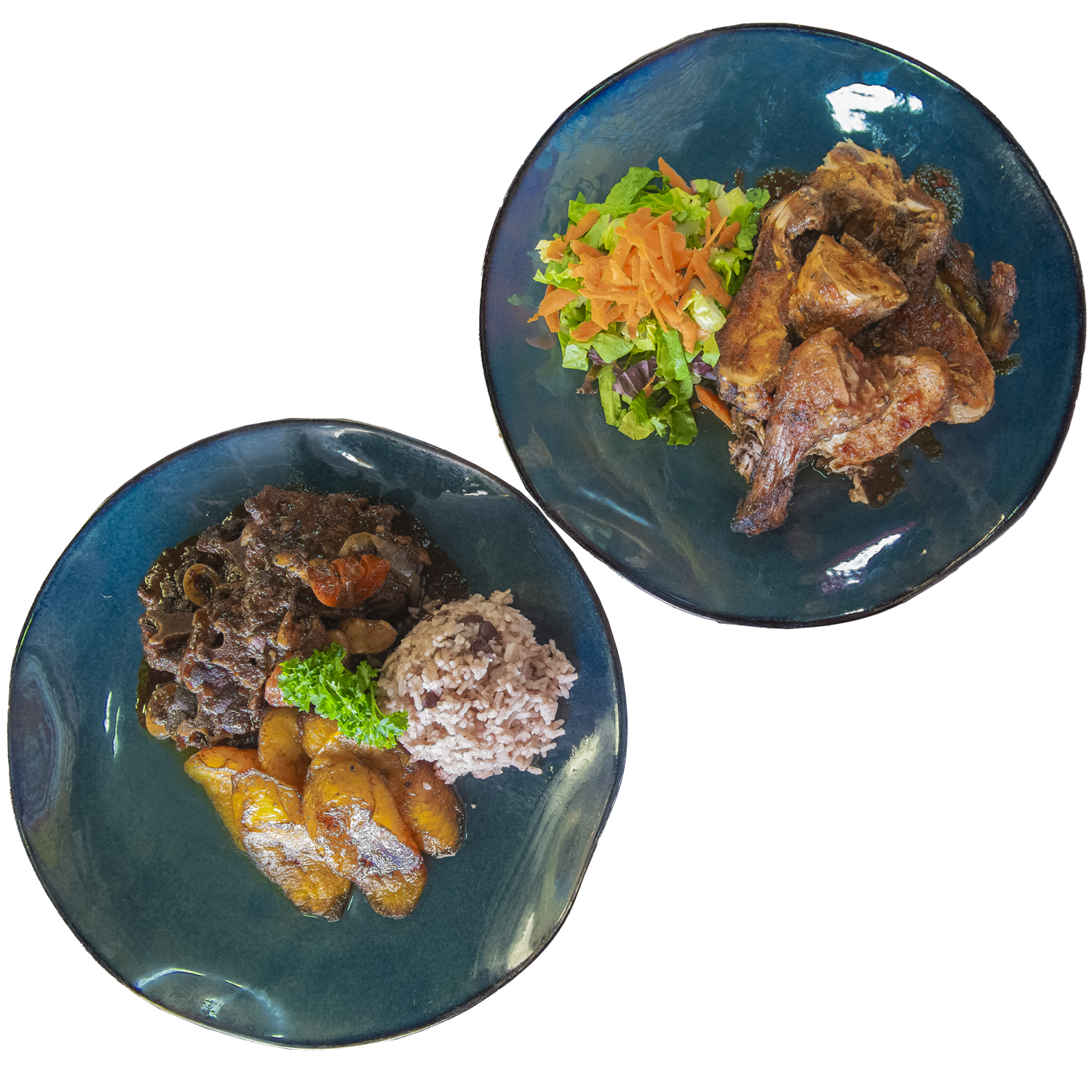
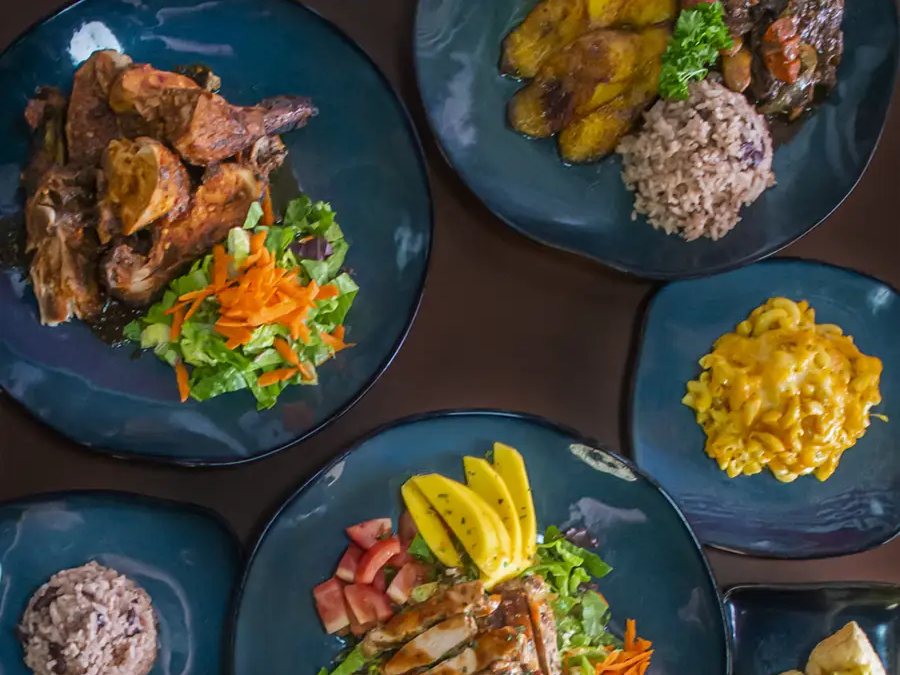
The best choice depends on your tastes. Popular options include jerk chicken, curry goat, slow-cooked oxtail, and savory patties. Reggae Pot lists these dishes on its menu, with sides such as rice and peas and plantains. Ask the Denver team about current availability and spice levels.
Is Jamaican food very spicy in Denver?
Heat varies by dish and preparation. Jerk seasoning often includes scotch bonnet peppers alongside herbs and allspice, while other dishes may have gentler seasoning. Ask about the heat of the specific dish and any sauce before ordering.
What are some popular Jamaican snacks?
Jamaican patties are a popular snack made with flaky pastry and savory meat or vegetable fillings. Other options include fried dumplings and festival, a sweet fried dough often served with savory dishes. Availability varies, so check the current menu when ordering.