Irish Pub NYC Spots for Friendly Service and Classic Ambiance

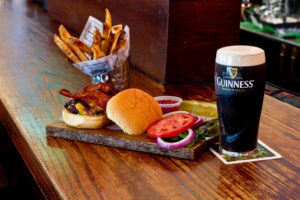
Finding a good Irish Pub NYC regulars would actually return to is harder than typing the phrase into a map app and walking to the nearest pint sign. New York has plenty of places that market the look, dark wood, Guinness mirrors, shamrock decals, but the pubs people remember usually get something less visible right. They know how to make a room feel settled. The bartender reads the pace of the bar. The lighting flatters conversation instead of fighting it. The music stays present without taking over. And the service, even on a crowded Friday, carries a little warmth.
That combination matters more in New York than in smaller cities. Space is tight, rent is high, and every venue is under pressure to turn tables, move people, and keep the noise level energetic enough to look successful from the sidewalk. A https://griffinlpad217.lowescouponn.com/how-to-spot-an-authentic-irish-pub-nyc-visitors-will-love classic Irish pub pushes in the other direction. It can still be busy, profitable, and full, but it gives people room to stay. That is a subtle distinction, and once you notice it, you stop confusing “Irish-themed bar” with “proper pub.”
The best places in the city do not all look the same, and they should not. A pub in the East Village has a different role than one near Grand Central, the Financial District, or an old residential pocket in Brooklyn or Queens. Some thrive on neighborhood familiarity. Others succeed because they absorb visitors and office crowds without becoming impersonal. What ties the strongest ones together is a kind of steadiness. You walk in, and the room already knows what it is.
What friendly service actually looks like in a pub
Friendly service is often reduced to whether the bartender smiles, but in a real pub, it goes deeper than that. It starts with competence. A bartender who can pour a stout properly, keep a tab straight in a packed room, and spot the guest waiting quietly at the end of the bar is doing more for the mood than someone who is overly theatrical. The best service has rhythm. You are acknowledged quickly, checked on without hovering, and left alone when conversation is flowing.
In Irish pubs, warmth often shows up in small habits. Staff remember a repeat order. They make room for one more coat on a crowded chair instead of acting annoyed. They will tell you honestly if the kitchen is backed up. They steer a solo guest toward a quieter corner or a first-time visitor toward the better whiskey pour for the price. None of that needs a scripted hospitality voice. In fact, the most welcoming pub service in New York is usually brisk, direct, and generous rather than overly polished.
Classic ambiance works the same way. It is not just old wood and framed prints. It is the accumulation of signals that tell you people have actually spent time there. Slightly worn brass rails. Tables that have seen years of elbows and pints. A back bar that feels stocked by taste rather than by distributor incentives. A room that sounds alive, but not chaotic. If there is a television, it should feel incidental unless a match is on. If there is music, it should support the room rather than dominate it.
The old standard bearer: McSorley’s Old Ale House
Any conversation about classic New York pub atmosphere eventually lands at McSorley’s, and for good reason. It is one of those rare places where the city’s appetite for reinvention has not sanded off the rough edges. You go there less for menu variety and more for a singular experience. The sawdust, the old walls, the communal feel, the simple choice between light and dark ale, it all contributes to a room that could easily tip into gimmick in lesser hands but somehow does not.
Service at McSorley’s is efficient in the old-school sense. Nobody is trying to stage-manage your evening. The staff move fast, read the room, and keep things flowing. That works because the place understands itself. If you arrive expecting custom cocktails or a slow, meditative whiskey consultation, you are in the wrong house. If you want one of the city’s most recognizable old-pub atmospheres, served without fuss, it still delivers.
The trade-off is equally obvious. It can be crowded, loud, and full of visitors who are there because every guidebook told them to go. That does not erase its value, but it changes the ideal time to visit. Mid-afternoon on a weekday shows the room differently than Saturday night. If your goal is classic ambiance rather than bucket-list energy, timing matters.
For a softer, more residential feel: Molly’s
Molly’s often comes up when people describe the kind of Irish pub they would happily return to for a low-key evening. It has the visual markers people hope for, wood, age, warmth, and enough intimacy to make a conversation feel protected from the city outside. What stands out is not just the look but the ease of the room. Some bars with “historic” atmosphere can feel staged. Molly’s tends to feel lived in.
The service style here is part of the appeal. Guests are not rushed through, and the pub has the kind of steadiness that rewards repeat visits. This is a place where a solo pint, a casual date, and a small group dinner can all make sense on the same night. That flexibility is harder to build than it looks. Too many bars are trying to be either lively or intimate. A good pub manages to be both, depending on where you are sitting and what hour you walk in.
If you care about food as part of the pub experience, not just a side note, this type of spot usually earns extra loyalty. A satisfying shepherd’s pie or a good burger can turn “let’s have one round” into a full evening. In New York, where dinner reservations can become a competitive sport, that kind of reliable, unshowy comfort counts for a lot.
Midtown’s challenge, and the places that meet it
Midtown is probably the toughest test for a pub that wants to feel authentic. The neighborhood is flooded with commuters, tourists, convention traffic, after-work meetups, and people who need a quick drink before catching a train. Under those conditions, many bars drift toward volume service. They become practical rather than memorable.
Yet some Irish pubs in Midtown still manage to create a sense of refuge. The best among them understand that their job is not to out-trend downtown. It is to offer consistency. A good room near Penn Station, Grand Central, or the theater district should feel like a pause button. The pint should be right, the bartender should be alert, and the room should hold together even when the door never stops opening.
This is where places like The Landmark Tavern often enter the conversation. It carries an older New York feeling that is increasingly rare in high-traffic Manhattan corridors. There is a difference between age as decoration and age as presence. In a room like this, even if you know parts have been updated over time, the overall effect still feels grounded. That matters if you are meeting someone who wants “an actual pub” rather than a generic bar with a dark-wood package.
Swift Hibernian Lounge, in another part of Manhattan, offers a different version of the same success. It feels a bit more composed, a bit more polished, but still rooted in pub culture rather than nightclub energy. This is often the sweet spot for visitors who want atmosphere and quality without quite as much rough-edged historicity. Not every classic pub has to look untouched by time. Some simply have to preserve the right priorities.
Downtown energy, without losing the pub soul
Downtown Manhattan can produce either the most characterful Irish bars or the most overdesigned approximations. The difference usually comes down to whether the place is trying to impress you or host you. When a pub leads with hospitality, comfort, and clear identity, style becomes part of the setting. When it leads with concept, the room often feels assembled for social media before it feels assembled for regulars.
The Dead Rabbit is worth discussing in that context because it sits at the line between pub, cocktail destination, and modern institution. Depending on which floor you are on and what you want from the night, it can satisfy different needs. It has drawn worldwide attention for good reason, but what has helped it last is not hype alone. There is serious drinks knowledge there, and at its best, the service balances expertise with enough informality to keep the place from turning stiff.
That said, if your definition of Irish pub begins with worn corners, uncomplicated pints, and neighborly understatement, The Dead Rabbit may feel more curated than cozy. That is not a criticism so much as a useful distinction. In New York, “classic ambiance” has ranges. One person wants history and simplicity. Another wants depth of drinks, a touch of ceremony, and an Irish identity expressed through craft and hospitality. Both can be valid. The mistake is expecting every good pub to satisfy both versions equally.
The neighborhood factor is everything
One practical lesson from years of meeting friends around the city is that pub quality is inseparable from neighborhood context. A strong Irish Pub NYC locals love in the Financial District may shine from 5 p.m. To 8 p.m. And feel entirely different late at night. A pub in Gramercy or Chelsea might perform best as an all-purpose room, lunch, first pint, dinner, final whiskey. A residential place in Queens or Brooklyn may not have the same national profile, but can offer the most genuinely relaxed welcome.
This is why chasing only “best of” rankings rarely works. A pub should fit the moment. If you are catching up with an old friend who values conversation, you need acoustic comfort more than celebrity. If you are entertaining out-of-town guests who want old New York atmosphere, visual character becomes more important. If you are meeting coworkers after a long day, reliability and space matter most. Service that feels friendly in one scenario can feel inattentive in another. A hushed room may be ideal for a date and disappointing for a reunion.
The strongest habit is to match the pub to the purpose rather than trying to crown one universal winner.
A few standout choices for different moods
- For historic atmosphere and zero-frills tradition, McSorley’s remains the obvious benchmark.
- For a warmer, more intimate evening with food and conversation, Molly’s is often the better fit.
- For Midtown old-New York character, The Landmark Tavern has enduring appeal.
- For a polished but still pub-rooted Manhattan option, Swift Hibernian Lounge works well.
- For Irish identity expressed through serious drinks and a livelier downtown setting, The Dead Rabbit deserves its reputation.
Those are not the only worthy addresses in the city, and anyone who spends time in New York long enough will develop personal loyalties that do not appear on standard lists. That is part of the pleasure. A pub culture worth caring about is local by nature.
What to notice when you walk in
Most people know within three minutes whether a pub feels right, but it helps to know what you are reacting to. Start with the bar itself. Is there an ease between staff and guests that suggests repeat business, or does the room feel like a churn of one-off transactions? Look at the pace. Fast is fine, frantic is not. Notice whether people are leaning in to talk or shouting over a soundtrack that belongs in a sports bar.
Then pay attention to what kind of crowd the room can absorb without losing itself. A strong pub can host office workers, older regulars, neighborhood couples, tourists, and solo drinkers at the same time. If one group overwhelms the entire atmosphere, the place may still be useful, but it is probably serving a narrower purpose.
Food can also reveal a pub’s priorities. Nobody needs every Irish dish to be life-changing. What you want is care. A properly executed fish and chips, a decent stew, a sandwich that arrives hot and balanced, these details tell you the pub expects people to stay, not just drink and leave. When the kitchen is treated seriously, the whole room usually benefits.
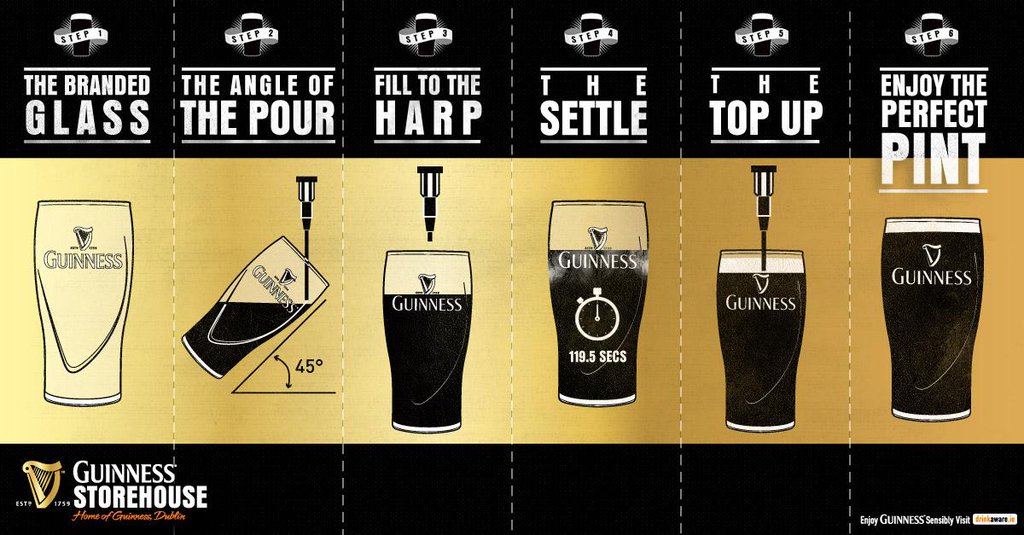
Finally, assess the Guinness honestly. People sometimes overcomplicate this point, but there is a reason it remains the shorthand test. A well-kept stout signals discipline. It does not guarantee the room is great, but a poor one is often a warning that management is inattentive in ways you will notice elsewhere.
The hours that make or break the experience
The same pub can feel excellent at 4:30 p.m. And exhausting at 8:15 p.m. That is not a flaw, it is reality in New York. If your goal is friendly service and classic ambiance, you will usually get the best version of both just before peak rush or after the initial wave breaks. Bartenders have enough breathing room to be hospitable. You can actually see the room. The place still hums, but it has not turned into a wall of noise.
Here is the timing advice I give most often:
- Weekday late afternoon is ideal for seeing a pub’s natural personality.
- Early evening works well for food, especially before theater or commuter crowds crest.
- Late Friday can be fun, but it is usually the worst time to judge service quality.
- Weekend afternoons often reveal whether a place has real regulars.
- Match days can be brilliant or overwhelming, depending on why you came.
That last point matters. A pub showing football can become one of the most joyous rooms in the city, but it stops being a quiet refuge. If you want to test whether a place has classic ambiance in the conversational sense, choose a calmer window.
Why some new Irish bars still succeed
Not every memorable pub in New York has a century of dust in the corners. Newer places can still feel authentic if they are built around the right instincts. The owners have to understand proportion and restraint. Too much thematic decoration kills the illusion. Too little warmth and the room just feels generic. The service team has to act like hosts, not performers. And the menu has to support the room rather than chase trends that will date the place in two years.
I have seen new bars get this wrong by trying to design “heritage” instead of cultivating habit. A pub earns credibility over time through use. The first aim should be comfort and consistency. If the room invites regulars, the atmosphere will deepen on its own. If it is designed solely to signal Irishness at a glance, the effect wears thin quickly.
This is one reason the strongest newer Irish-leaning bars in New York often borrow selectively. They take the lessons of classic pubs, intimacy, dark materials, hospitality, straightforward food, well-kept beer, and then adapt them to contemporary expectations around cocktails, reservations, or broader menus. Purists may prefer older institutions, but there is room for both approaches when they are done well.
The real marker of a good pub
Ask someone why they love a particular pub and they rarely start with the decor. They talk about how the place made them feel on an ordinary night. They mention the bartender who remembered their order after two visits, the snug booth that turned a rushed drink into a two-hour catch-up, the sense that nobody was trying too hard. They remember being able to hear each other. They remember staying longer than planned.
That is what the best Irish Pub NYC options still provide, even in a city that rewards novelty. They offer steadiness. They make room for conversation, ritual, and return visits. Some do it through history, some through hospitality, and some through an unusually sure hand at balancing old forms with current expectations.
If you want friendly service and classic ambiance, look past the signage and the search rankings. Choose the place where the room settles around you after the first sip, where the staff seem practiced rather than performative, and where the night feels better for having happened there. In New York, that is still the closest thing to pub magic, and it remains worth seeking out.
Hibernia Bar
401 W 50th St
New York, NY 10019, United States
Phone: +1 212-969-9703
FAQ About Irish Pub NYC
What is the best Irish pub in NYC?
The best choice depends on your location and preferred atmosphere. Hibernia Bar is a neighborhood Irish pub in Hell's Kitchen offering Guinness, Irish whiskey, pub food, and sports viewing.
Where do Irish people go in NYC?
New York's Irish community gathers in many neighborhoods and venues. Hibernia Bar welcomes Irish expats, local residents, and visitors at 401 W 50th St, just off Ninth Avenue.
Where can I watch GAA games in New York?
Hibernia Bar lists GAA among the sports it shows. Call +1 212-969-9703 to confirm coverage and opening times for a particular match before visiting.
What is the difference between a bar and a sports bar?
A sports bar emphasizes televised games and a shared viewing atmosphere. Hibernia combines sports viewing with the food, drinks, and hospitality of a neighborhood Irish pub.