Fresh and Fiery Drunken Noodles for Any Occasion
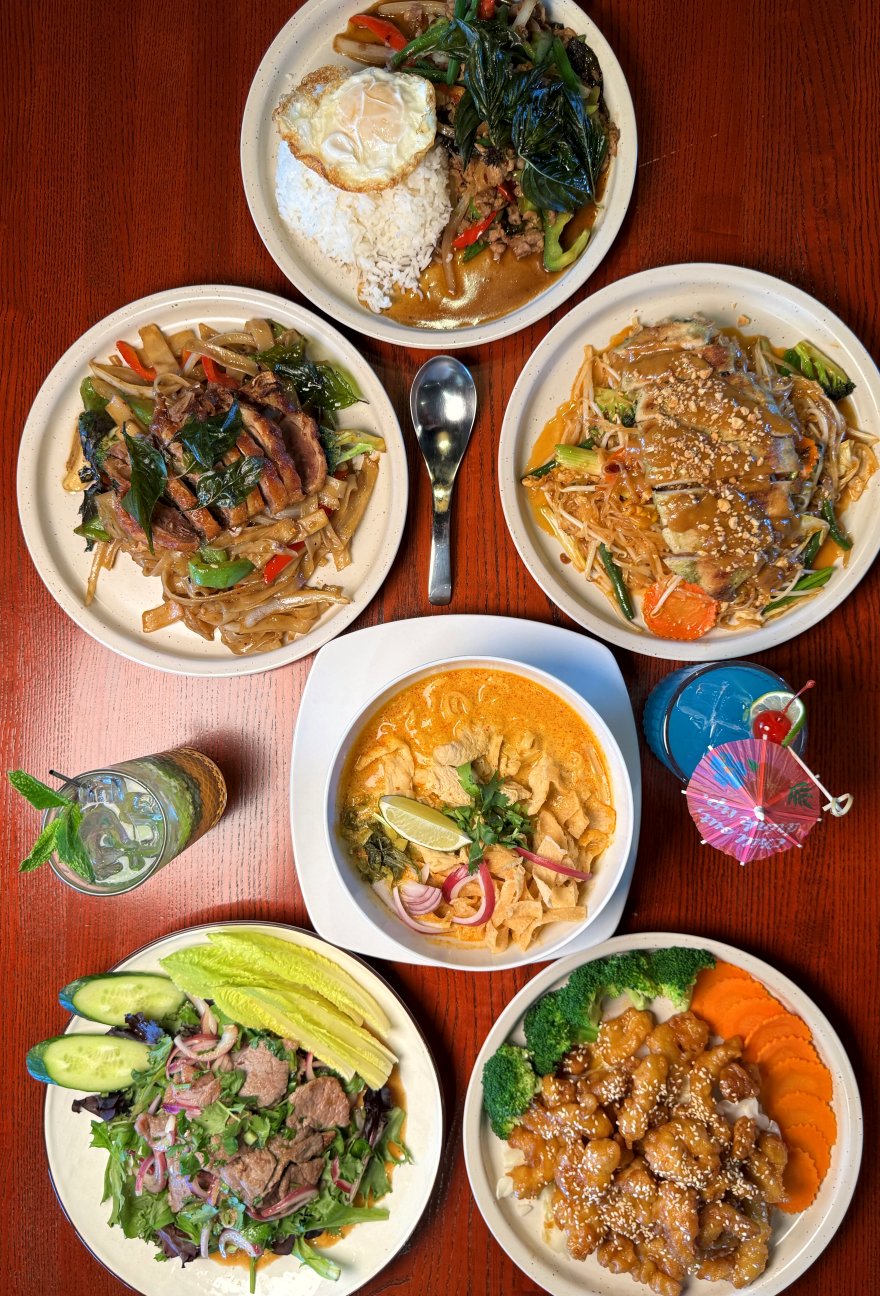
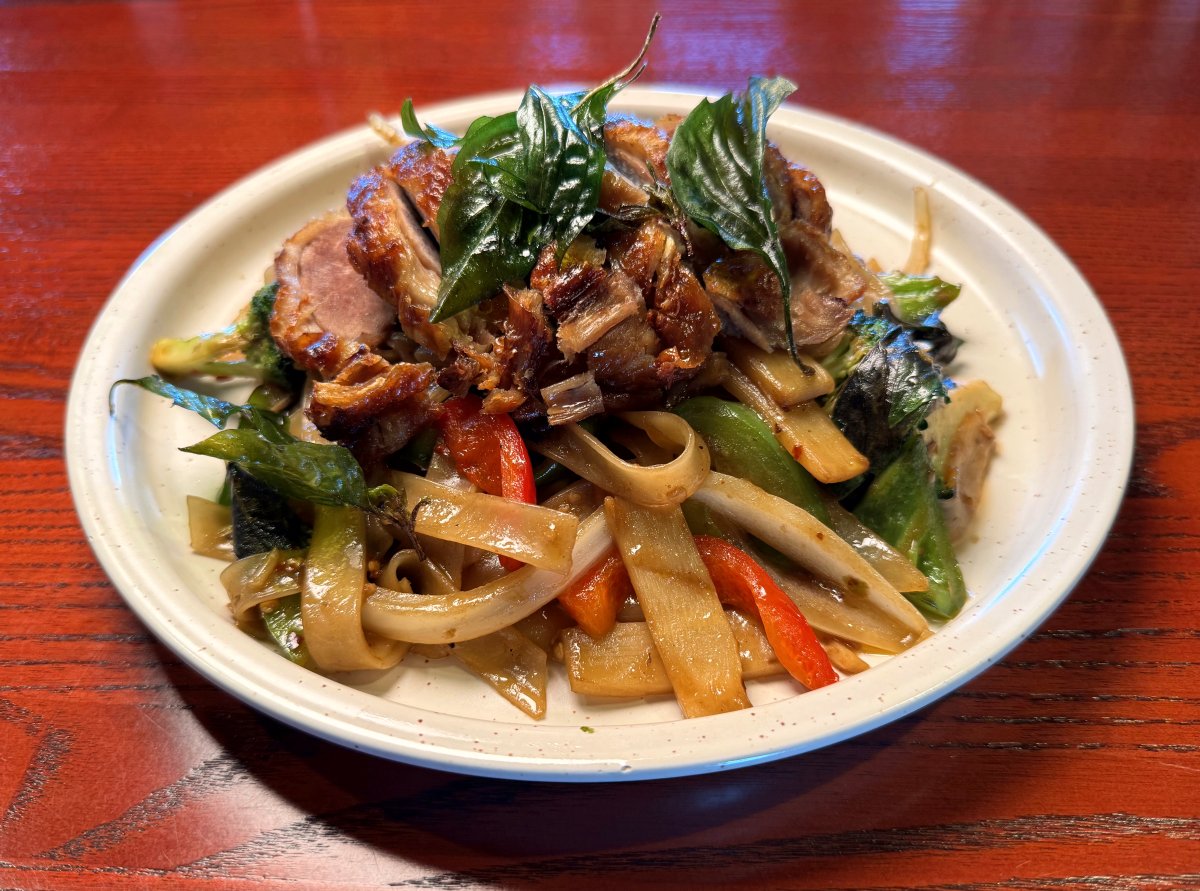
Drunken Noodles have a way of stealing the table. They arrive glossy, fragrant, tangled with basil and chiles, usually still throwing off steam. The first bite lands with heat, sweetness, salt, and the deep savoriness that makes you immediately reach for another forkful. It is a dish that feels casual and impressive at the same time, which is exactly why it works for almost any occasion, from a quick weeknight dinner to a laid-back gathering where everyone wants something bold and comforting.
Despite the name, Drunken Noodles are not necessarily made with alcohol. The dish is more commonly associated with the kind of food you crave late at night, or the kind of spicy meal said to pair well with drinking. Depending on where you eat them, they may appear under the Thai name pad kee mao. What matters in the kitchen is not the folklore but the character: wide rice noodles, high heat, aromatic vegetables, a sauce built for intensity, and enough fresh basil to perfume the whole pan.
Good Drunken Noodles are not delicate. They should have edge and movement. The noodles need chew, not mush. The vegetables should soften but still hold shape. The sauce should coat rather than drown. And the heat should feel lively, not punishing. Those distinctions sound subtle, but they separate a memorable plate from one that tastes flat, greasy, or one-dimensional.
What makes Drunken Noodles different
People sometimes confuse Drunken Noodles with pad see ew because both use broad rice noodles and both can include soy-based sauces. The difference is in the personality. Pad see ew leans rounder and sweeter, often with a stronger dark soy presence and gentler seasoning. Drunken Noodles are louder. They rely on garlic, chile, basil, and a more assertive balance of savory and spicy flavors. They often include vegetables such as bell pepper, onion, or baby corn, and when made properly they carry a slight wok-char aroma that gives the whole dish energy.
Texture matters just as much as flavor. Wide rice noodles are ideal because they absorb sauce without falling apart, and their surface area gives every bite more gloss and more cling. Fresh rice noodles are the easiest route to the right texture, though dried noodles can work if treated carefully. The biggest mistake home cooks make is over-soaking or over-boiling them until they lose structure. A noodle that enters the pan too soft has nowhere to go except toward breakage.
The basil also changes the dish in a way many people underestimate. Thai holy basil is traditional in some versions, but it can be hard to find. Thai basil is more common and still excellent, with its anise-like edge. Even Italian basil can stand in if needed, though the flavor will be gentler and less peppery. That final handful of herbs is not garnish in the decorative sense. It is part of the engine.
The ingredient choices that shape the whole plate
A good pan of Drunken Noodles starts long before the burner turns on. This is one of those dishes where a few smart ingredient choices solve half the cooking.
- Wide rice noodles, preferably fresh, or dried if you can control the soak carefully
- A mix of light soy sauce, dark soy sauce, oyster sauce, and a touch of sugar
- Fresh garlic, fresh chiles, and plenty of basil
- Quick-cooking protein such as chicken, shrimp, tofu, or thin-sliced beef
- Vegetables with some bite, such as onion, bell pepper, Chinese broccoli, or green beans
Those choices are simple, but each one carries consequences. Fresh noodles give you speed and softness, but they can clump and tear if left cold and compressed straight from the package. Letting them loosen at room temperature helps. Dried noodles offer convenience and broader availability, but they demand attention. They should be softened until flexible, not fully tender, because they will finish cooking in the pan.
The sauce is where many home versions drift off course. Too much dark soy and the dish turns muddy and overly sweet. Too much oyster sauce and it becomes heavy. Too much sugar and the heat loses definition. The best versions taste layered rather than loud in one direction. A practical starting point for four servings is around 3 to 4 tablespoons light soy, 1 to 2 tablespoons dark soy, 2 to 3 tablespoons oyster sauce, and 1 to 2 teaspoons sugar, adjusted based on the saltiness of your soy and the sweetness of your oyster sauce. Some cooks add fish sauce for extra depth. That can be excellent, especially if the dish tastes broad but not quite vivid enough.
As for heat, fresh bird's eye chiles are the classic move, but they are not an obligation. Serranos create a cleaner, brighter burn. Jalapeños bring a gentler, greener note. Dried chile flakes work in a pinch, though the effect is less fragrant. Heat should build and linger. It should not smother the basil or erase the sauce.
The pan matters more than the recipe card
If there is one practical truth that improves homemade Drunken Noodles immediately, it is this: crowding the pan ruins them. The dish depends on high heat and quick evaporation. When too many noodles, vegetables, and slices of protein go in at once, the pan temperature collapses. Instead of stir-frying, you steam. The result is wet, pale, and oddly tired.
A wok is ideal, but a large heavy skillet still works if you respect its limits. Cast iron can produce great browning, though it demands confidence and speed because sauces can scorch fast. Stainless steel is reliable and responsive. Nonstick is forgiving, especially for beginners, but it rarely develops the same smoky, seared quality. If you cook often for four or more, make two smaller batches rather than one overloaded one. That single adjustment can turn a mediocre dinner into something worth repeating.
Mise en place is not restaurant fussiness here. It is survival. Once the garlic hits the oil, you have little room to pause. The noodles should be loosened, the sauce mixed, the vegetables cut, and the basil plucked before the flame goes on. This is a three-to-six-minute cooking process disguised as a noodle dish.
How to build flavor in the right order
Drunken Noodles reward speed, but they also reward order. Throwing everything into the pan at random tends to flatten the flavor. The sequence should help the ingredients do what they do best.
- Sear the protein first, just until nearly cooked, then remove it if needed to avoid overcooking
- Fry garlic and chiles briefly in hot oil until fragrant, not brown
- Add sturdy vegetables and cook fast so they keep some crunch
- Toss in noodles and sauce together so the starch grabs the seasoning evenly
- Finish with basil and the cooked protein, then stir only until the basil wilts
That order protects both texture and aroma. Garlic turns bitter when it goes too far. Basil loses its perfume if cooked for long. Shrimp become rubbery if left in while the noodles absorb sauce. Tofu benefits from browning before it ever sees liquid, otherwise it tastes merely present instead of integrated.
One useful trick is to hold back a small splash of water, stock, or noodle-soaking liquid. If the noodles seize or the sauce reduces too quickly, a tablespoon or two can loosen the pan without diluting flavor much. Another trick is to mix the sauces with the sugar beforehand rather than pouring in each bottle separately. This avoids the common problem of dark soy landing in one place and staining a patch of noodles while the rest stay underseasoned.
Choosing the right protein for the occasion
Drunken Noodles are adaptable without losing identity. That makes them useful when cooking for different people or moods.
Chicken thigh is one of the best choices for home cooks. It stays tender under high heat and absorbs flavor well. Thin slices cook in a minute or two. Chicken breast can work, but it dries more easily, especially if cut too thick.
Shrimp bring sweetness and speed. They are excellent for a dinner that needs to feel slightly special without becoming fussy. The downside is timing. Overcook them by even a short margin and they tighten up. If using shrimp, I prefer medium to large sizes, around 21 to 30 count per pound, because very small shrimp disappear among the noodles.
Beef works well when sliced thin against the grain, ideally from flank, sirloin, or another quick-cooking cut. It adds richness and a slightly more robust profile. The challenge is moisture. Beef that releases too much liquid can cool the pan and interfere with char, so blotting it dry first helps.
Tofu deserves more respect in this dish than it sometimes gets. Extra-firm tofu, pressed and seared until golden, carries the sauce beautifully and offers contrast to the slippery noodles. It is not a compromise protein. It is simply a different style of Drunken Noodles, one that can taste every bit as satisfying as meat.
Vegetables that belong, and vegetables that fight the dish
Onion and bell pepper are common for a reason. They soften quickly, taste sweet under high heat, and do not overshadow the basil. Chinese broccoli is another strong option, especially if sliced so the stems cook at the same pace as the leaves. Green beans, baby corn, mushrooms, and snap peas can all work too.
What tends not to work are vegetables that flood the pan or demand long cooking. Zucchini often releases too much water. Large broccoli florets stay raw unless pre-cooked. Carrots need to be shaved or julienned very thin. Tomatoes can be delicious in some regional interpretations, but they shift the dish toward saucier territory and need careful handling.
This is one place where judgment matters more than strict authenticity. If your refrigerator offers bell pepper, onion, and a handful of spinach, you can still make a good dinner. Just know that spinach collapses almost instantly and adds moisture, so it should go in at the very end and in a modest amount.
Managing heat without losing balance
Some diners want Drunken Noodles that make the forehead bead with sweat. Others want noticeable spice without pain. Both can be good outcomes. The key is keeping the sauce balanced enough that the dish still tastes like more than heat.
If cooking for mixed preferences, it is easier to keep the base moderately spicy and offer sliced fresh chiles or chile vinegar at the table. Trying to divide one batch into mild and hot halfway through usually leads to uneven seasoning. A safer middle ground is to use aromatics for complexity and reserve some chile intensity for individual bowls.
Acidity is another overlooked balancing tool. A squeeze of lime is not always traditional in every version, but a small amount right before serving can brighten a pan that tastes rich but muted. It should never dominate. Think of it as a tuning adjustment rather than a signature note.
Sweetness needs the same restraint. A little sugar rounds the edges of soy and chile. Too much turns the dish sticky and dull. If you taste the https://andersonmkey403.inkharbory.com/posts/the-perfect-stir-fry-method-for-drunken-noodles sauce and think it needs brightness, salt, or spice, sugar is rarely the answer.
Timing the meal for different occasions
The reason Drunken Noodles work for so many situations is that the dish scales emotionally even when it does not scale perfectly in the pan. It can be fast and practical, or it can feel festive.
For a weeknight dinner, the smartest move is simplification. Choose one protein, two vegetables, and use fresh noodles if available. With prep done ahead, the actual cook time is often under ten minutes. That makes it realistic after work, even on a busy night.
For a dinner with friends, you can elevate the experience without complicating the core dish. Offer a crisp cucumber salad on the side, set out extra basil and lime wedges, and make two sequential batches so the noodles stay lively. People notice texture and aroma more than elaborate garnish.
For a casual date night at home, shrimp or thin-sliced beef make the dish feel a touch more indulgent. Plate the noodles hot, keep portions generous, and serve them immediately. This is not a dish that likes to wait around while everyone finds their seats.
For a larger gathering, the strategy changes. Rather than trying to stir-fry noodles for ten people all at once, cook in batches and hold them very briefly in a warm oven, loosely covered. The quality still drops if they sit too long, but ten to fifteen minutes is manageable. Beyond that, the basil fades and the noodles begin to clump.
The mistakes that show up again and again
Home cooks often assume the hardest part of Drunken Noodles is the sauce. In practice, the bigger issues are almost always heat management and noodle handling.
Noodles sticking together is a common frustration. Fresh noodles straight from the refrigerator often arrive compressed into a firm block. If you tear them apart cold, they break. Letting them warm slightly makes separation much easier. A touch of oil can help, but too much prevents sauce from adhering well.
Another repeat problem is blandness despite using plenty of sauce. Usually that comes from under-seasoned noodles, not under-seasoned liquid. Rice noodles need assertive seasoning because they absorb and mute flavor. A sauce that tastes a bit intense in the bowl often tastes right once dispersed through the pan.
The third issue is overcooked basil. It sounds minor until you compare a pan finished with basil for ten seconds versus a pan where basil simmered for a minute. In the first case, the herb is aromatic and bright. In the second, it is dark, wilted, and nearly invisible on the palate.
Finally, there is the temptation to chase restaurant smokiness on a weak home burner by simply cooking longer. That backfires. You cannot force wok hei by extended cooking. You only overcook the noodles. Better to use a wide pan, preheat it properly, and work in small batches.
Making leftovers worth eating
Drunken Noodles are best fresh, and there is no need to pretend otherwise. Still, leftovers can be very good if handled correctly. Cool them promptly and refrigerate in a shallow container. By the next day, the noodles will have absorbed more sauce and the basil will be less vivid, but the dish can still be satisfying.
Reheating in a skillet beats microwaving if you have the time. A splash of water helps loosen the starches, and medium-high heat brings back some edge. Microwaving tends to create uneven hot spots and gummy patches, though it is acceptable for lunch if convenience matters more than texture.
Sometimes leftovers benefit from reinvention. A handful of fresh basil tossed in after reheating can wake the dish back up. So can a few slices of fresh chile or a squeeze of lime. These small adjustments do not restore the first-night magic, but they keep the flavors pointed and enjoyable.
Small refinements that make a big difference
Experienced cooks often rely on details that sound almost trivial. With Drunken Noodles, those details matter.
Slicing aromatics evenly prevents some pieces from burning while others stay raw. Drying protein before searing improves browning. Tasting the sauce before it hits the pan catches imbalance early. Cutting vegetables to similar sizes keeps the stir-fry moving in a unified rhythm instead of forcing you to wait on one ingredient while another overcooks.
Even the order of serving helps. Bring the pan straight to the plates, not the other way around. Rice noodles continue softening from residual heat, so every minute in the skillet after cooking changes the texture. Serve first, talk after.
If your first batch is not perfect, that is normal. Drunken Noodles are one of those dishes that sharpen quickly with repetition. By the third or fourth try, most cooks begin to feel the timing in their hands rather than reciting it from memory. The garlic aroma tells you when to move. The noodles tell you when they have absorbed enough sauce. The basil tells you when to stop.
Why this dish earns a place in regular rotation
Some recipes impress once and then fade into the folder. Drunken Noodles rarely do that. They are flexible enough to absorb what is available, structured enough to maintain their identity, and vivid enough to feel like a reward even on an ordinary evening. They satisfy people who want comfort, people who want spice, and people who want something that tastes like it came from a restaurant without requiring restaurant-level complexity.
That is the real charm of the dish. It is not just fiery, though it can be. It is not just fast, though it often is. It is a meal with character, one that responds to good instincts and forgives a fair amount of improvisation. When the noodles are glossy, the basil is fresh, and the heat lands exactly where you want it, Drunken Noodles feel less like a recipe and more like a kitchen skill worth keeping for life.
Nakhon Luang Thai Kitchen
Address: 805 Village Center Dr, Colorado Springs, CO 80919
Phone number: +17195315175
FAQ About Drunken Noodles
What makes it drunken noodles?
Drunken noodles, or Pad Kee Mao, get their name from the Thai word khi mao (meaning "drunkard"). They contain no alcohol. The name comes from the idea that the dish is a popular late-night meal to cure a hangover or a great food to eat with a cold beer.
What is the difference between pad see ew and drunken noodles?
While both Pad See Ew and Drunken Noodles use the same wide rice noodles, Pad See Ew is a mild, sweet-savory dish made with dark soy sauce and Chinese broccoli, whereas Drunken Noodles (Pad Kee Mao) are fiery, garlicky, and herbaceous with fresh chilies and Thai basil.
What are traditional drunken noodles?
Traditional drunken noodles, known as Pad Kee Mao in Thai, are a fiery, savory street food stir-fry made with wide flat rice noodles, fresh garlic, lots of hot chilies, meat or tofu, and fragrant holy basil. Despite the name, they contain no alcohol; the dish is traditionally eaten late at night or as a hangover cure because the intense spice helps clear the head.