Best Jamaican Food in Denver for a Taste of the Islands
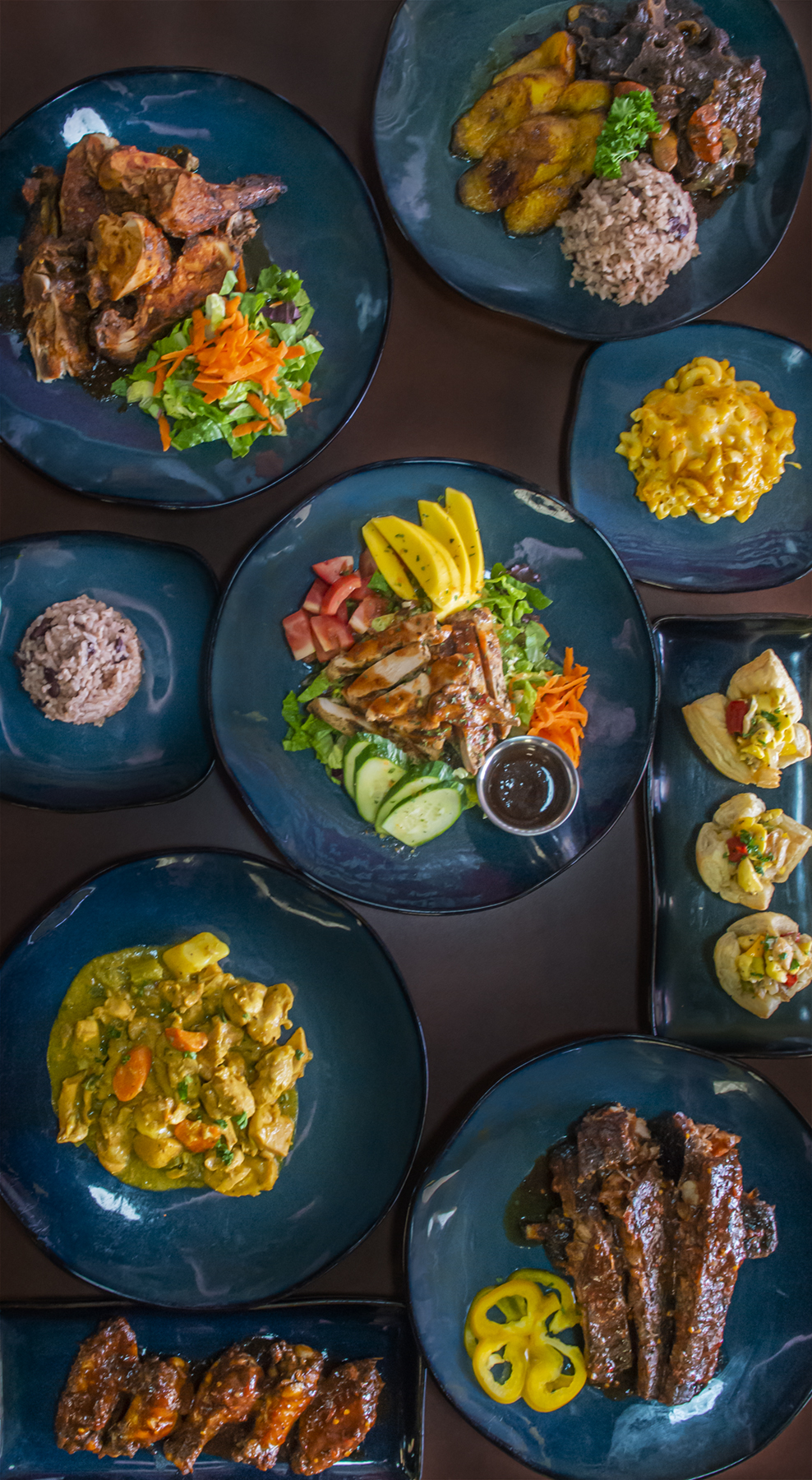
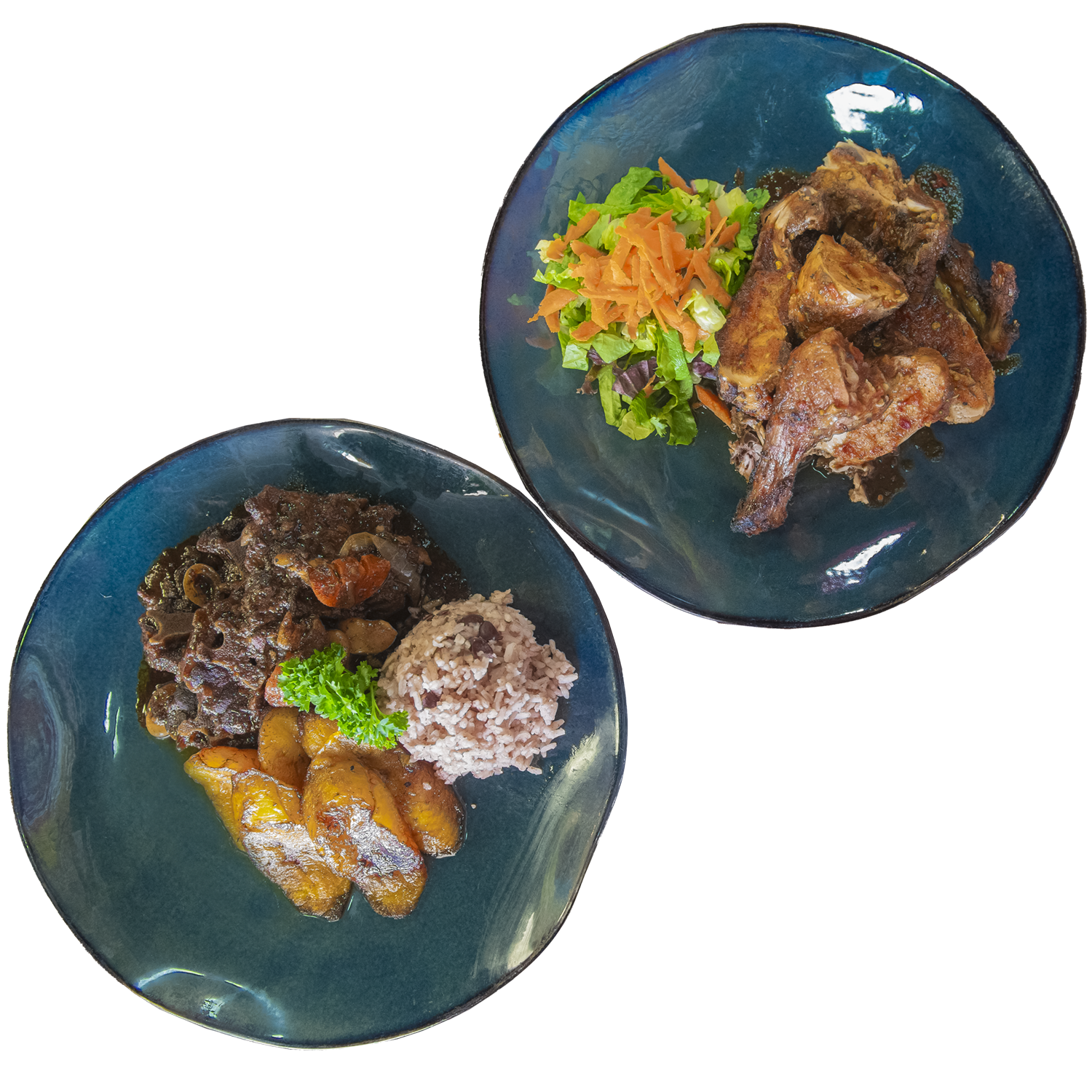
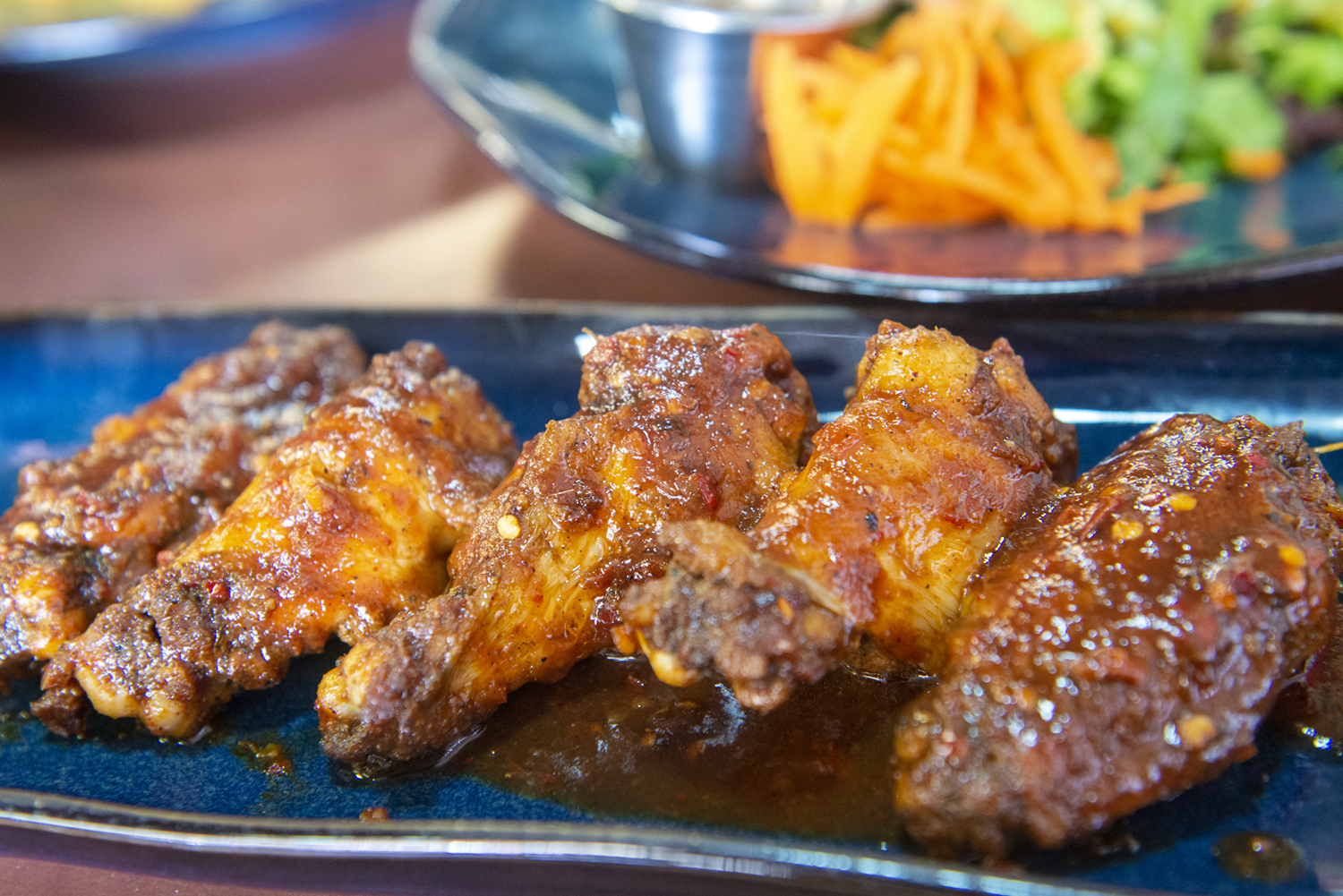
Denver is not the first city most travelers associate with Jamaican cooking, and that is part of what makes a good plate here so memorable. When you find a kitchen that gets it right, the food cuts through the altitude, the dry air, and the usual restaurant noise with pure sensory force. You smell pimento, thyme, scallion, and Scotch bonnet before the plate lands. The rice carries coconut and spice. The meat yields with almost no effort. Heat arrives in layers rather than one blunt punch. A proper Jamaican meal does not just feed you, it changes the pace of the day.
That search for standout jamaican food denver diners can count on usually comes down to a few things. Technique matters more than décor. Patience matters more than trendiness. The best spots rarely rush food that was never meant to be rushed. Oxtail needs time. Curry goat needs time. Jerk needs a cook who understands smoke, spice, and restraint. Even a humble beef patty can tell you whether a kitchen understands balance, because a good one should be flaky, savory, and deeply aromatic rather than greasy or flat.
Denver’s dining scene has become broad enough that island food no longer feels like a novelty. You can find Caribbean influence in food halls, neighborhood takeout counters, catering operations, and occasional pop-ups. Not every place claiming Jamaican flavor reaches the mark, though. Some lean too sweet. Others pull back too far on heat or allspice in an effort to appeal to a wider audience. The strongest kitchens do the opposite. They cook with confidence, trust the food, and let the depth of the cuisine show.
What makes Jamaican food worth seeking out
Jamaican food carries history in a very direct way. The cuisine blends African, Indigenous, European, and Indian influences into something that feels singular once you spend time with it. That layered background explains why a menu can move from jerk chicken to escovitch fish to curried goat and still feel coherent. Spice rubs, slow braises, pepper sauces, rice cookery, frying techniques, and fresh herbs all work together in a style that prizes boldness without chaos.
For Denver diners, that matters because the city often rewards cuisine with strong personality. Dry climates can mute delicate flavors. Jamaican food does not have that problem. It announces itself. The marinade on jerk chicken should carry smoke and warmth, but also sweetness, earthiness, and a green note from fresh herbs. Brown stew chicken should feel rich, but not muddy. Plantains should bring caramelized softness that softens the sharper edges of chile and spice. When the cooking is disciplined, every component on the plate pulls its weight.
A lot of people first fall for Jamaican food through jerk, which makes sense. Jerk is vivid and easy to remember. But the real depth of a Jamaican kitchen often shows up elsewhere. Rice and peas reveal whether the cook knows how to season starch properly. Cabbage can tell you whether the kitchen treats vegetables as an afterthought or as part of the meal’s structure. Gravy matters. Texture matters. Heat management matters. The best meals feel composed, even when the portions are generous and the presentation is casual.
The signs you have found a serious kitchen
You do not need a long menu or polished branding to identify a strong Jamaican restaurant. In fact, some of the best food comes from places that keep the room simple and let the steam tables, grills, or warming pans do the talking. If you are trying to separate the merely decent from the genuinely good, a few details tend to repeat themselves.
- The aroma hits first, especially allspice, thyme, onion, and smoke.
- The menu is focused rather than sprawling, with a few dishes the kitchen clearly knows well.
- Side dishes taste seasoned on their own, not like filler added for bulk.
- The spice level feels intentional, with heat supporting flavor rather than covering for weak cooking.
- Regulars order with confidence and very little small talk because they already know what works.
That last point is easy to underestimate. In many neighborhood spots, the clearest sign of quality is the rhythm of returning customers. People come in, greet the staff, order oxtail or jerk without hesitation, and leave with enough food for dinner and tomorrow’s lunch. Jamaican cooking travels well, and leftovers often deepen overnight, so repeat business tends to be strong where the food is right.
Jerk chicken is the headline, but not the whole story
If you only order jerk chicken, you are getting one chapter of a much bigger book. Good jerk deserves the hype, of course. It should have visible color from spice and browning, real aromatic depth, and some char. A common disappointment in weaker restaurants is chicken that tastes like it was brushed with bottled sauce after cooking. Proper jerk flavor should run through the meat, not sit on top of it.
The most satisfying jerk plates in Denver are usually the ones that respect contrast. You want spice, smoke, and savory depth from the chicken, then relief from rice and peas, sweetness from ripe plantain, and maybe a cool drink at the side. That interplay is where the cuisine shines. It is assertive food that still understands balance.
Oxtail is often where serious cooks earn loyalty. When it is done right, the meat becomes silky and the sauce turns glossy with collagen and spice. There should be richness, but not heaviness for its own sake. The best versions are deep and beefy with notes of thyme, browning, onion, and pepper. Denver diners who think they do not like oxtail often change their mind after one well-made plate.
Curry goat is another dish worth chasing. Goat can be tough if mishandled, and gamey in a way some people find off-putting when the seasoning is timid. In a strong Jamaican kitchen, the meat softens without falling apart too much, and the curry tastes layered rather than dusty. You should notice warmth, not just heat, along with ginger, garlic, and the gentle bitterness that keeps rich dishes from becoming dull.
Then there is brown stew chicken, a dish that never gets enough love from first-timers. It lacks the instant marketing appeal of jerk, but a really good brown stew chicken can be the meal that brings you back. The sauce should cling to the chicken and soak the rice. It is comfort food, but not sleepy food. There is life in it.
The role of sides, and why they matter more than people think
A lot of restaurants live or die by their sides. Jamaican restaurants are no different. Rice and peas is not plain rice. It should be fragrant, lightly creamy from coconut milk, and seasoned all the way through. If the rice tastes blank, the kitchen is probably missing the mark elsewhere too.
Plantains tell another story. At their best, they are soft in the center with caramelized edges and enough sweetness to frame spicy mains. If they are under-ripe and starchy, the whole plate feels less generous. If they are fried too hard, they lose that lush quality that makes them such a useful counterpoint.
Cabbage, callaloo when available, and mac and cheese all have their place, though not every restaurant treats them with equal care. Cabbage can be excellent when it is sautéed until tender but still structured, often with carrot, pepper, and onion. It brightens the plate. Mac and cheese, while not uniquely Jamaican, often appears in Caribbean restaurants because it fills a certain comfort-food role. The better versions stay creamy and seasoned without turning into an inert block of starch.
Festival deserves more attention too. Slightly sweet and fried, it sits somewhere between a dumpling and a hush puppy in spirit, though that description does not really capture it. Eaten with jerk or saltfish, festival provides a sweet-savory contrast that makes the whole meal feel more complete.
Where the best Jamaican food in Denver tends to show up
In Denver, excellent Jamaican food does not always follow the same business model. Some of the strongest meals come from dedicated brick-and-mortar restaurants. Others appear in smaller operations with limited hours, weekend-heavy service, or a dual focus on catering and takeout. That can frustrate diners who want consistency, but it also reflects the realities of labor-intensive cooking.
Food halls and market settings can be a mixed bag. On one hand, they lower the barrier for smaller operators to reach new customers. On the other, Jamaican food is not naturally optimized for a format built on speed and high turnover. Dishes that need hours of braising or careful grilling can be harder to execute in that environment unless the kitchen has a tight system. When a food hall vendor does it well, the results can be excellent, but the setup does not guarantee authenticity or quality.
Takeout counters often perform better than casual sit-down spaces because the business is built around exactly what Jamaican food does well. Rice-based meals hold heat. Braises travel beautifully. Patties are easy to grab on the go. Sauce settles into the food during the drive home. In some cases, the meal is even better twenty minutes later.
Pop-ups and caterers are another important part of the scene. They may not be visible every day, but they can produce some of the most memorable island food in the city because they cook in focused batches and often specialize in a narrower set of dishes. If you hear locals talking about a caterer’s jerk pork or a weekend pan of oxtail, pay attention. Those underground reputations usually come from repeated success, not novelty.
How to order if it is your first visit
A first order should give you the broadest possible read on the kitchen. One entrée is rarely enough, especially if you are sharing. A smart table mixes smoke, braise, starch, and sweetness so you can understand where the restaurant is strongest.
- Order one jerk item, usually chicken if available, to judge spice balance and char.
- Add one slow-cooked dish such as oxtail, curry goat, or brown stew chicken.
- Choose rice and peas over plain rice if the option exists.
- Get plantains, even if they are not your usual side, because they complete the plate.
- If patties are available and fresh, buy one as a benchmark snack or starter.
That combination reveals a lot. If the jerk is aromatic, the braise is tender, the rice is seasoned, and the plantains are properly ripe, you are probably in good hands. If one category shines and another falls flat, you at least know what to return for.
For anyone sensitive to heat, it is worth asking how the kitchen handles spice. Jamaican food is often associated with aggressive chile levels, but not every dish should leave you gasping. The best restaurants understand that Scotch bonnet brings fruitiness as well as fire. They build heat carefully. If you enjoy spice but want control, ask whether hot sauce is served on the side. That allows you to raise the temperature without disrupting the dish’s original balance.
Patties, cocoa bread, and the pleasure of smaller bites
Not every great Jamaican meal has to be a large plate. Patties are one of the most useful tests of a kitchen because they condense a lot of technique into one handheld item. The crust should be flaky and tinted with turmeric or curry, while the filling should be savory and moist. Beef is the classic gateway, but chicken, vegetable, and sometimes saltfish versions can be just as satisfying.
A patty tucked into cocoa bread is one of those combinations that sounds simple until you try it and realize how smart it is. The soft, slightly sweet bread cushions the seasoned filling and turns a quick snack into something substantial. It is also a practical order if you are exploring a menu for the first time and do not want to commit to a full entrée.
These smaller items matter because they reveal whether a restaurant is paying attention all the time, not just on its signature dishes. A kitchen that can produce a consistent patty usually understands seasoning and dough. That competence often carries through the rest of the menu.
The drink pairing most people overlook
If you are going all in on island flavors, skip the generic soda once in a while. Jamaican sodas, sorrel, ginger beer, and fruit-based drinks can transform the meal. Ginger beer, especially the stronger styles, cuts through rich oxtail beautifully. Sorrel, when available, brings a spiced tartness that works especially well with holiday-style meals or heavier plates. Even a simple pineapple or mango beverage can soften chile heat and tie together sweet and savory notes.
Rum-based cocktails appear at some Caribbean restaurants, and they can be enjoyable, but they are not essential to the experience. In fact, for first-timers, a nonalcoholic pairing often does more to highlight the food. The cuisine already delivers enough intensity. A sharp ginger drink can be the better companion than a boozy cocktail that competes with the spices.
Why authenticity is a tricky word, especially in Denver
People love to argue about authenticity, but the term gets slippery fast. A restaurant in Denver is working with different supply chains, customer expectations, staffing constraints, and weather than a cook in Kingston, Montego Bay, or Portmore. Some adaptation is inevitable. The better question is whether the food respects the cuisine’s internal logic.
Does the seasoning taste grounded in Jamaican technique, or generic Caribbean-ish sweetness? Is the jerk built from recognizable aromatics, or just smoke and sugar? Do the braises feel patient and layered? Are the sides treated as essential? Those questions get you closer to the truth than a rigid checklist.
I have had deeply satisfying Jamaican meals in places with stripped-down dining rooms, paper containers, and menus that looked almost improvised. I have also had polished, attractive plates that missed the spirit entirely. Denver is no different from any other city in that respect. Hospitality matters, but flavor memory matters more. The dishes you remember weeks later are usually the ones cooked with confidence rather than caution.
Practical advice for finding a place worth returning to
Good Jamaican restaurants often run on their own clock. If you show up late, the best item may be gone. If you arrive during a rush, the kitchen may prioritize speed on certain dishes. If you go on a slow afternoon, you may catch food that has had a little longer to settle into itself. Timing can influence your experience more than many diners realize.
Weekend service is frequently the best bet for range and freshness, especially if a restaurant adds specials or bigger-batch braises. Calling ahead can save you disappointment if you are set on oxtail or curry goat. Some places sell out. That is not always a sign of perfection, but it often indicates a kitchen that cooks to demand rather than holding food indefinitely.
It also helps to order with leftovers in mind. Jamaican food is generous by nature, and one of the quiet pleasures of a good order is opening the container the next day and finding the rice more fragrant, the gravy more settled, and the spice more integrated. A lot of Denver food loses energy overnight. Jamaican food often gains it.
For families or groups, ordering a spread rather than individual plates usually makes more sense. Shared mains and sides let everyone taste the range of the kitchen, and the meal feels closer to the spirit of the cuisine. Even a simple spread of jerk chicken, rice and peas, cabbage, plantains, and patties can cover a surprising amount of ground.
The Denver factor, and why it makes these meals hit differently
There is something especially satisfying about eating rich, spice-driven food against Denver’s mountain climate. The contrast sharpens everything. A steamy container of curry goat on a cold evening lands differently here than it does in a humid coastal city. Jerk heat feels more vivid. Ginger drinks feel brighter. Even the sweetness of plantains seems more pronounced in dry air.
That may be one reason Jamaican food has found such loyal https://edgarkfyv162.readspirex.com/posts/denver-dining-guide-jamaican-food-you-shouldn-t-miss fans in the city. It delivers comfort without monotony. It offers bold flavor without requiring formality. It suits solo lunches, family dinners, and takeout nights equally well. And when the cooking is good, it gives Denver diners a genuine sense of transport, not through gimmick or theme, but through taste.
The best jamaican food denver has to offer may not always come from the flashiest storefront or the most heavily marketed restaurant. More often, it comes from kitchens that understand time, seasoning, and hospitality in the old-fashioned sense. They feed people seriously. They build dishes with backbone. They know that rice matters, gravy matters, ripeness matters, and smoke matters.
That is the real standard to use when you are deciding where to spend your money. Look for a place that treats jerk as a craft rather than a flavor label. Look for oxtail with body, not just salt. Look for sides that taste alive. If you find those things, you are not just getting dinner. You are getting one of the most satisfying meals Denver can offer, a plate that reaches far beyond the city and still feels perfectly at home in it.
Reggae Pot Jamaican Grill
Address: 2243 S Monaco St Pkwy #104, Denver, CO 80222
Phone number: +17204102956
FAQ About Jamaican Food Denver
What is typical Jamaican food?
Typical Jamaican food features bold, vibrant flavors created by blending African, Taino, European, and Asian influences.
What is a famous Jamaican dish?
Ackee and saltfish is Jamaica's national dish, made by sautéing the soft local ackee fruit with salted cod, onions, tomatoes, and spicy Scotch bonnet peppers.
What food is most popular in Jamaica?
The most popular and famous food in Jamaica is Jerk Chicken, celebrated worldwide for its smoky, spicy flavor.